
TL;DR:
- Container depots store and service containers for long-term use outside busy ports.
- Inland depots offer cost savings and customs services for non-urgent cargo needs.
- They provide security, operational efficiency, and reduce port congestion benefiting small and mid-sized businesses.
Most people assume that once a shipping container leaves a port, it disappears into some logistics black hole. The reality is far more organized, and far more useful to you. Container depots are specialized facilities that store, inspect, repair, and reposition containers outside of busy port terminals. For U.S. importers, exporters, small businesses, and even individuals, these facilities offer a level of flexibility and cost control that crowded port terminals simply cannot match. This guide breaks down exactly how container depots work, the different types available across the country, what they cost, and how you can use them to your advantage.
Table of Contents
- What is a container depot?
- Types of container depots: Port-based vs. inland
- Benefits of using container depots for storage and shipping
- How container depots operate: Costs, processes, and what to expect
- The missing value of container depots: What most still overlook
- Find your secure container solutions with America Conex
- Frequently asked questions
Key Takeaways
| Point | Details |
|---|---|
| Container depot defined | A container depot is a secure storage and maintenance facility for shipping containers, separate from port terminals. |
| Port-based vs. inland | Choose port-based depots for fast turnaround or inland depots for lower costs and added services. |
| Major benefits | Depots offer cost savings, security, and more flexible access than traditional port storage. |
| What to expect | Typical depot use involves clear fees, short dwell times, and quick access with modern digital options available. |
What is a container depot?
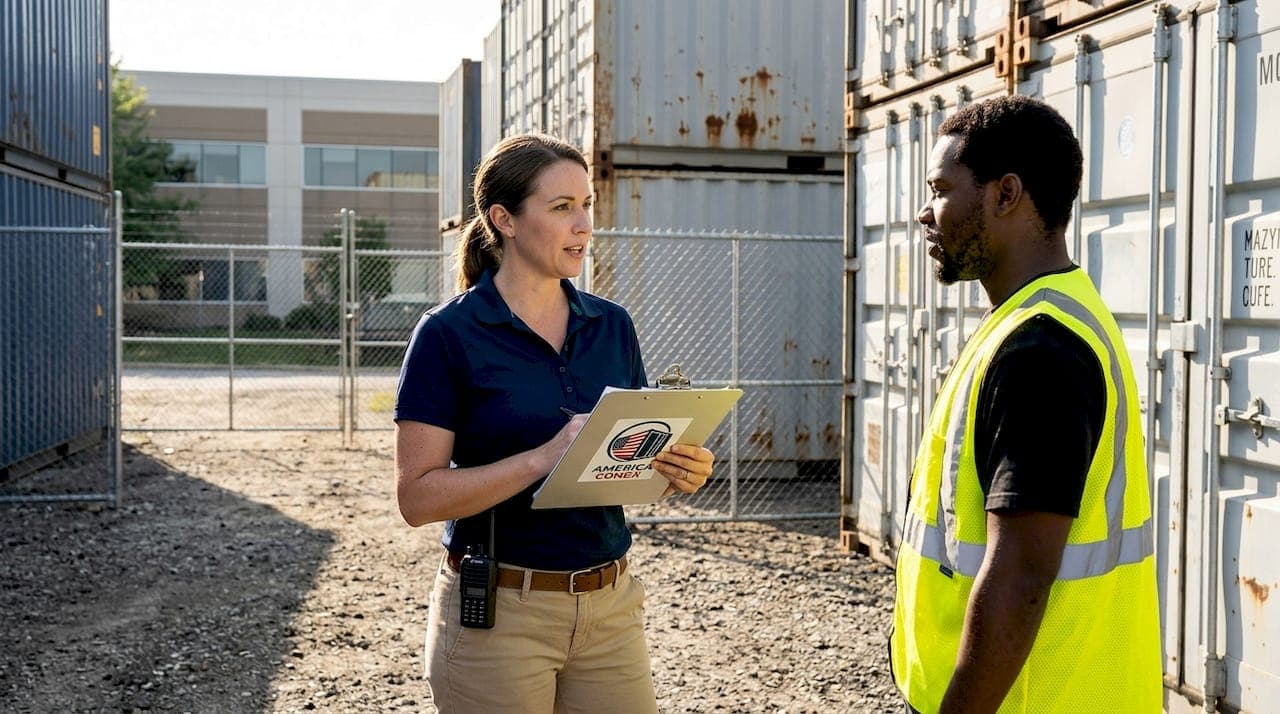
A container depot is a secure, managed yard where shipping containers are stored and serviced away from active port terminals. Think of it as a long-term parking and maintenance facility for containers, rather than a fast-moving loading dock. While a port terminal might hold a container for a few days during active shipping operations, a depot can store it for weeks or even months.
The core functions of a container depot typically include:
- Storage of empty, full, or out-of-gauge containers
- Cleaning and washing after cargo removal
- Inspection and repair to maintain container integrity
- Repositioning containers to meet supply and demand across regions
- Customs bonding for containers awaiting clearance
As the Inland Container Depot Guide explains, depots focus on long-term storage and repositioning, which is fundamentally distinct from what terminals do. Terminals are built for speed. Depots are built for flexibility.
In the U.S., major depot hubs are located near logistics corridors like Houston, Dallas-Fort Worth, New Jersey, and Los Angeles. These facilities handle everything from standard 20ft and 40ft dry containers to refrigerated (reefer) units and oversized cargo. Many are bonded facilities, meaning they operate under customs authority and can hold containers while import paperwork is processed.
For a deeper look at container depot definitions and related industry terminology, it helps to get familiar with the broader vocabulary before booking yard space.
A depot is not just a storage lot. It is a service hub that extends the useful life and logistical value of every container that passes through it.
Pro Tip: If a port terminal is charging you demurrage fees because your container is sitting idle, a nearby depot can often pull that container and store it at a fraction of the daily cost, giving you breathing room to arrange your next move.
Types of container depots: Port-based vs. inland
Not all container depots are built the same, and choosing the right type can directly affect your costs and how quickly you can access your cargo. There are two main categories: port-based depots and inland container depots, often called ICDs or dry ports.
Port-based depots are located adjacent to or within close proximity of major seaports. Their biggest advantage is speed. If you need to reposition an empty container back into the port quickly, or if your cargo is moving in and out frequently, a port-based depot reduces transit time. The tradeoff is cost. Real estate near major ports is expensive, and those costs pass through to daily storage rates.
Inland container depots (ICDs) are located away from the coast, often integrated with road and rail networks. They typically offer lower drayage costs and customs services, making them a smart choice for businesses that are not in a rush but want to save money and avoid port congestion. Many ICDs are bonded facilities, which means they can handle customs clearance on-site.
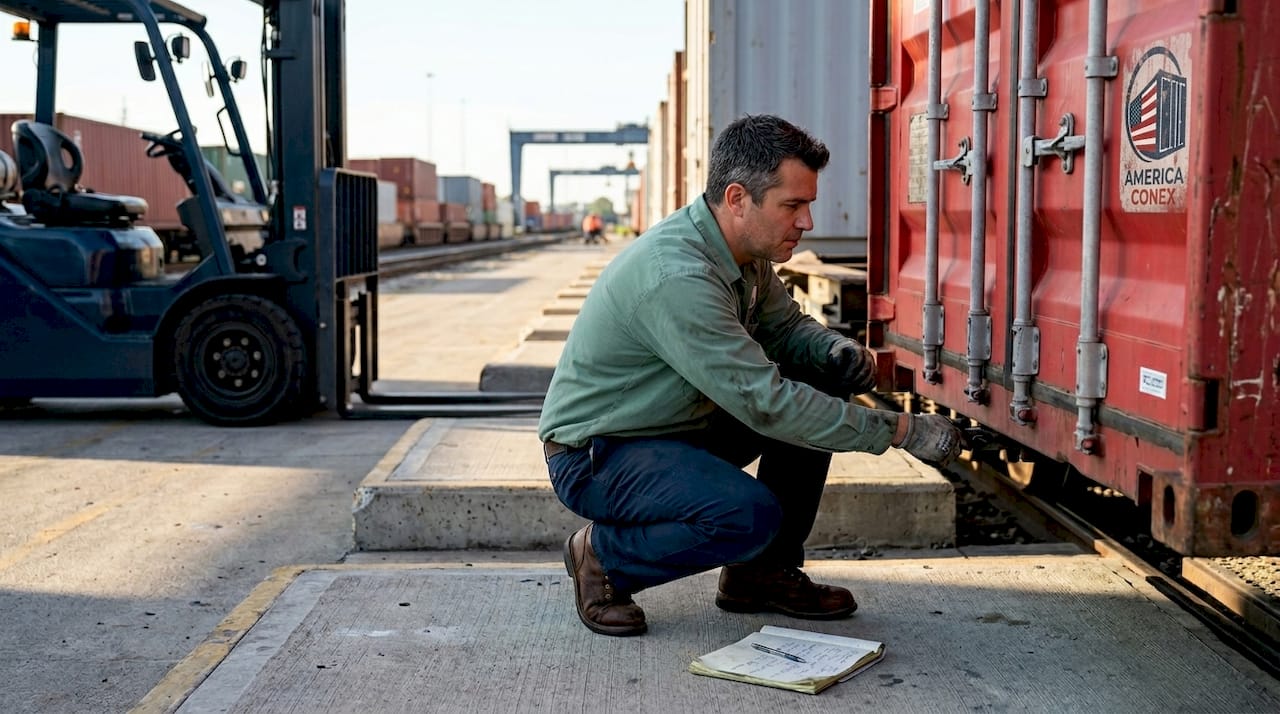
U.S. examples include Hicks Logistics near Houston (a bonded facility), Slay Industries near Baytown offering ISO container services, and All Chemical in New Jersey providing secure, monitored storage. Each serves a different mix of clients depending on their location and service offerings.
Here is a quick comparison to help you decide:
| Feature | Port-based depot | Inland depot (ICD) |
|---|---|---|
| Location | Near seaports | Interior, road/rail hubs |
| Cost | Higher daily rates | Lower overall costs |
| Customs services | Limited or off-site | Often bonded, on-site |
| Best for | Fast turnaround needs | Cost savings, long dwell |
| Congestion risk | Higher | Lower |
Key benefits by depot type:
- Port-based: Faster repositioning, direct port access, ideal for high-frequency shippers
- Inland (ICD): Lower storage fees, customs clearance on-site, less port congestion, better for businesses away from coasts
For more detail on container depot types and how they fit into broader logistics planning, reviewing industry terminology is a solid starting point before committing to a provider.
Benefits of using container depots for storage and shipping
The practical advantages of using a container depot over a port terminal or traditional warehouse are significant, and they add up fast for both businesses and individuals.
The container depot market is expanding rapidly because the value is undeniable. The global depot market is projected to reach $52.86 billion by 2034, driven by demand for cost-effective, efficient, and congestion-reducing alternatives to traditional port storage. That growth reflects real demand from real businesses solving real problems.
Here are the top benefits you should know about:
- Cost savings: Depot daily rates are consistently lower than port terminal fees. You also avoid detention and demurrage (D&D) charges, which can pile up quickly when a container sits at a terminal past its free time. For tips on saving on container storage, comparing depot rates early in your planning process makes a measurable difference.
- Operational efficiency: Depots give you faster, more predictable access to your containers. You can schedule pickups and drop-offs without competing with active vessel operations.
- Security and compliance: Most U.S. depots operate with 24/7 monitoring, perimeter fencing, and access control. Bonded depots add a layer of customs oversight that protects high-value or regulated cargo. For businesses needing secure storage solutions, depots are a serious option worth evaluating.
- Congestion relief: Moving containers off port terminals and into inland depots reduces the bottleneck at major U.S. ports, which benefits everyone in the supply chain.
Businesses that strategically use depot networks instead of leaving containers at port terminals routinely cut their storage costs by 30% to 50% per cycle.
How container depots operate: Costs, processes, and what to expect
Understanding what actually happens when you use a container depot removes a lot of the uncertainty. The process is more straightforward than most people expect.
Here is a step-by-step overview of a typical depot interaction:
- Booking yard space: You or your freight forwarder contacts the depot to reserve space and confirm availability for your container size and type.
- Gate-in: The container arrives by truck. The driver presents documentation, the container is inspected, and a gate-in record is created. This process typically takes under 12 minutes at well-run facilities.
- Storage and servicing: The container is placed in the yard. If needed, cleaning, inspection, or repair work is scheduled. Bonded containers are held under customs control until paperwork clears.
- Gate-out: When you are ready to move the container, you schedule a pickup. Documentation is verified, fees are settled, and the container is released.
On the cost side, expect to pay a gate-in fee, a gate-out fee, and a daily storage rate per container. Depot costs include gate and daily rates, and the typical dwell time is under 15 days for most commercial users. Staying within that window keeps costs predictable.
For a clearer picture of the container storage workflow and how to optimize your process, planning your dwell time upfront is the single biggest factor in controlling costs. You should also consider whether it makes more sense to rent or buy containers outright, depending on your usage frequency.
For more detail on container depot service costs and how to compare providers, getting itemized quotes from at least two depots before committing is always worth the extra time.
Pro Tip: Ask every depot provider about their digital integration capabilities. Facilities with automated gate systems and real-time tracking cut your administrative burden significantly and reduce the chance of costly errors or delays.
The missing value of container depots: What most still overlook
Here is something most logistics guides skip over entirely: the biggest beneficiaries of modern container depots are not the large shipping lines. They already have dedicated infrastructure and negotiated contracts. The real opportunity belongs to small and mid-sized businesses, and even individuals, who have not yet realized how much leverage they actually have.
Automation and digital processes are reshaping depot operations fast. Efficiency gains of up to 50% are achievable with automation, though smaller operators still face real challenges adopting new infrastructure. That gap is closing, and the businesses that move early will capture the savings first.
Trade imbalances across U.S. regions also create negotiating opportunities. Depots in areas with surplus empty containers are often willing to offer better rates to move inventory. If you understand depot digital adoption and ask the right questions, you can avoid port bottlenecks entirely and negotiate terms that larger, slower-moving companies never bother to pursue. Evaluate a depot's technology and service depth before you sign anything.
Find your secure container solutions with America Conex
Now that you understand how container depots work and what they can do for your logistics or storage needs, the next step is getting the right container in place.
At America Conex, we operate with access to over 30 depot locations across the United States, which means fast delivery and competitive pricing no matter where you are. Whether you need a used WWT unit for on-site storage, a one-trip container in like-new condition, or a cargo-worthy unit for international shipping, we have options in both 20ft and 40ft sizes, standard and high cube. Our team makes the buying process straightforward, with transparent pricing and reliable delivery. Reach out today and put your depot knowledge to work with a container that fits your exact situation.
Frequently asked questions
What is the difference between a container depot and a port terminal?
A container depot stores and maintains containers for weeks or months, while a port terminal focuses on rapid loading and unloading within days. Depots handle long-term M&R, while terminals prioritize short-term throughput.
Are container depots secure for valuable goods?
Yes, most U.S. depots offer 24/7 monitored and bonded storage for sensitive or high-value cargo. Facilities like Hicks Logistics and All Chemical provide secure, access-controlled environments with customs oversight.
How much does it cost to use a container depot?
Most depots charge a gate-in fee, a gate-out fee, and a daily storage rate per container. Gate and daily rates at depots are typically lower than what port terminals charge for the same dwell time.
Can individuals use container depots or are they just for businesses?
Container depots serve both individuals and businesses, including for personal storage or one-time shipping needs. Modular depot storage services are available to a wide range of users across the U.S., not just large commercial shippers.