
TL;DR:
- Secondhand shipping containers are built from durable Corten steel, allowing them to last well beyond 100 reuse cycles. Their longevity significantly reduces carbon emissions and waste compared to manufacturing new containers or single-use packaging. Proper maintenance and repurposing further extend their environmental benefits, embodying circular economy principles effectively.
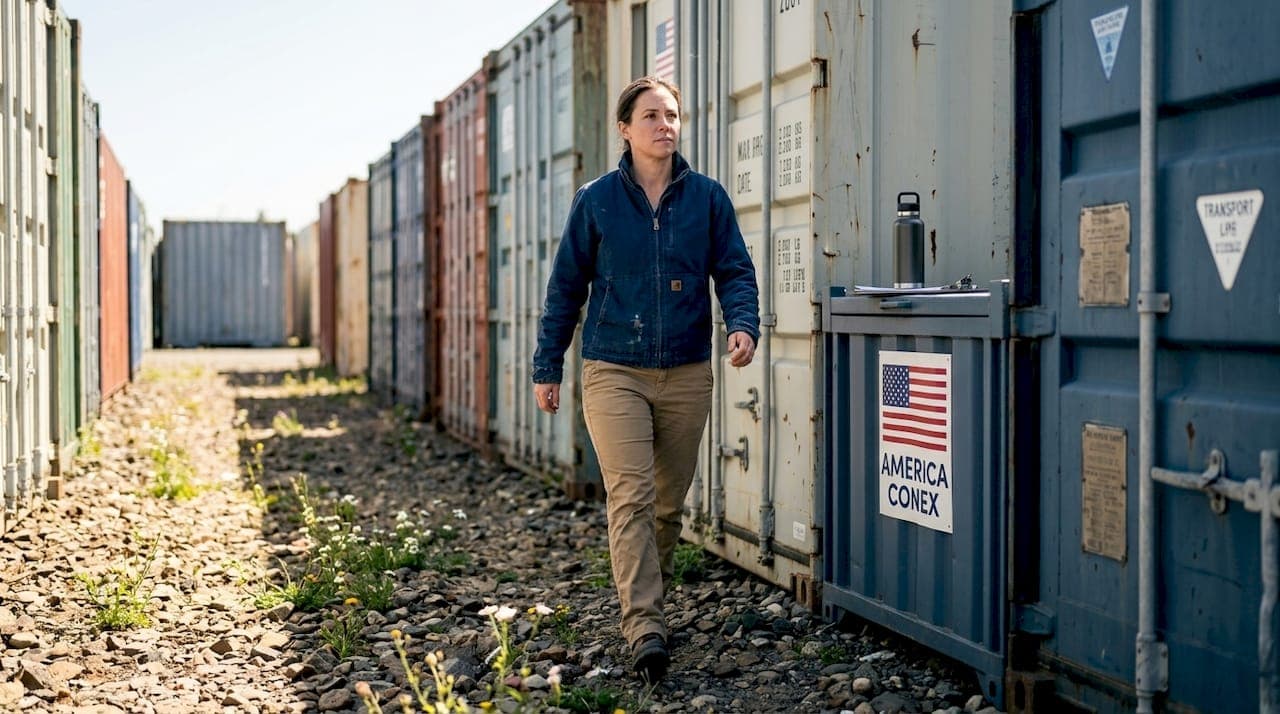
Most reusable packaging options need more than 100 trips to offset the environmental cost of producing them in the first place. That's a tough bar to clear when most reusable plastic totes fail well before they reach it. Secondhand shipping containers are a different animal entirely, and understanding why secondhand containers are sustainable requires a closer look at what makes them structurally unlike anything else in the reuse conversation. Built from heavy-gauge Corten steel and engineered to survive saltwater, stacking loads, and years of ocean crossings, these units can keep working on land for 25 to 30 years after their sea service ends. That changes the entire math.
Table of Contents
- Understanding the durability advantage of secondhand containers
- How secondhand containers reduce carbon footprint and waste
- Comparing secondhand containers with new units and single-use packaging
- Practical tips for choosing and using secondhand containers sustainably
- Rethinking sustainability: why secondhand containers challenge conventional reuse models
- Explore secondhand containers for sustainable shipping and storage with America Conex
- Frequently asked questions
Key Takeaways
| Point | Details |
|---|---|
| Durability is crucial | Secondhand steel containers last decades, making their reuse highly sustainable compared to fragile packaging. |
| Carbon footprint reduction | Reusing containers significantly lowers CO2 emissions by avoiding new steel production. |
| Waste diversion | Secondhand container reuse diverts large steel mass from landfills, reducing environmental pollution. |
| Cost-effective sustainability | Purchasing used containers can reduce costs while supporting eco-friendly shipping and storage solutions. |
| Maintenance extends life | Regular repair and refurbishment prolong container usability and environmental benefits. |
Understanding the durability advantage of secondhand containers
The sustainability of any reusable container comes down to one question: how many times can it actually be reused before it fails? For most packaging, the answer is disappointing. Durability in reusable packaging is often the factor that breaks the environmental argument, because a container that wears out at 40 uses never gets close to recovering the energy and materials spent making it.
Steel shipping containers are built to a completely different standard. Here is what sets them apart:
- Corten steel construction resists corrosion far better than standard carbon steel, with weathering properties that form a natural protective layer over time.
- Structural rigidity allows containers to be stacked eight units high under full load, meaning structural failure from normal use is extremely rare.
- Weather-tight seals protect cargo from moisture, a critical feature that also prevents the kind of internal degradation that kills lighter reusable containers.
- Standardized dimensions make them interchangeable across handling systems worldwide, so there is no gradual obsolescence from changing infrastructure.
"Reusable containers must complete over 100 trips to offset production impacts, but shipping container durability often exceeds this for storage, unlike fragile food packaging." — Packaging Gateway
The practical outcome is that a secondhand container entering land-based use has a realistic lifespan that runs well past the 100-use threshold most packaging types never reach. A used container repurposed for on-site construction storage, for example, might serve that function for a decade, then get resold for retail storage, then serve as the foundation for a small commercial space. Each transition extends the life cycle further without requiring a new unit.
With the durability advantage established, let's explore how this translates into concrete environmental benefits for secondhand containers.
How secondhand containers reduce carbon footprint and waste
Producing new steel is one of the most carbon-intensive industrial processes on earth. Steelmaking accounts for roughly 7 to 9 percent of global CO2 emissions, and a single 20-foot shipping container requires approximately 1.8 to 2 metric tons of steel to manufacture. Every secondhand container that goes into storage or shipping use instead of a new one represents a direct avoided emission.
Upcycling used containers significantly reduces CO2 emissions and waste compared to producing new steel structures from scratch. That finding applies just as clearly to storage and shipping reuse as it does to construction.
The waste diversion argument is equally important. Consider what the alternative looks like:
- Single-use corrugated packaging is typically discarded after one shipment, often heading to a landfill if it arrives damaged or contaminated.
- Plastic pallet wraps and foam inserts have virtually no recovery rate at scale.
- 85% of single-use plastics end up in landfills, while steel containers divert far more mass with corrosion-resistant material lasting decades.
- Steel scrapping is possible at end of life, but melting and re-rolling steel consumes enormous energy compared to simply continuing to use a container that still functions perfectly.
| Environmental factor | Single-use packaging | New steel container | Secondhand container |
|---|---|---|---|
| Raw material demand | High (per use) | High (one time) | None |
| CO2 from production | High | High | Minimal (cleaning/repair only) |
| Waste generated | Very high | Low | Very low |
| Usable lifespan | One use | 25+ years | 25+ years remaining |
| End-of-life recyclability | Poor (mixed materials) | Good | Good |
The Corten steel used in shipping containers also matters specifically because it resists rust without paint or coatings. That means fewer chemical inputs over the container's life, fewer maintenance materials going to waste, and a longer functional period before any serious intervention is needed. Choosing secondhand units aligns naturally with circular economy goals because the container already exists. You are not creating demand for new production.
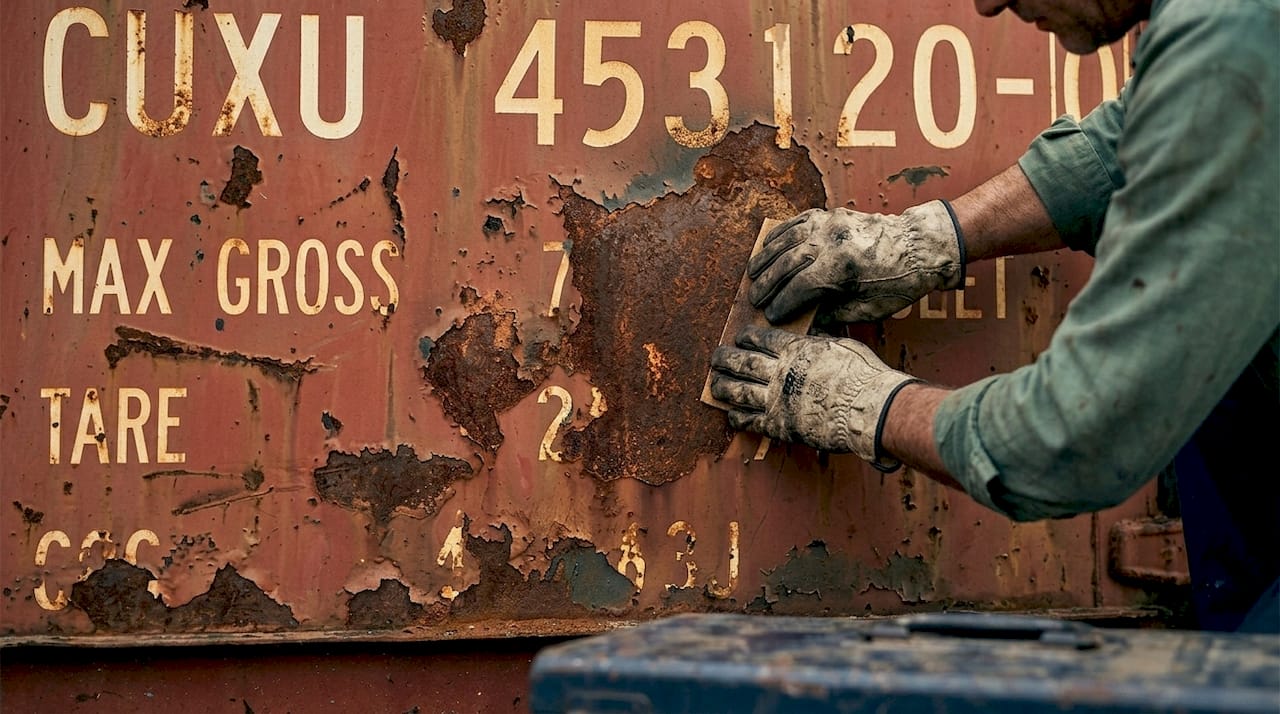
Pro Tip: If you are comparing new vs used container sustainability for a specific project, factor in embodied carbon, not just purchase price. The environmental cost of new steel production rarely appears on an invoice, but it is real.
Comparing secondhand containers with new units and single-use packaging
The reasons to choose used containers become sharper when you lay the options side by side. Not all eco-friendly container options are created equal, and the differences between secondhand containers, new containers, and single-use packaging reveal why secondhand is usually the strongest case.
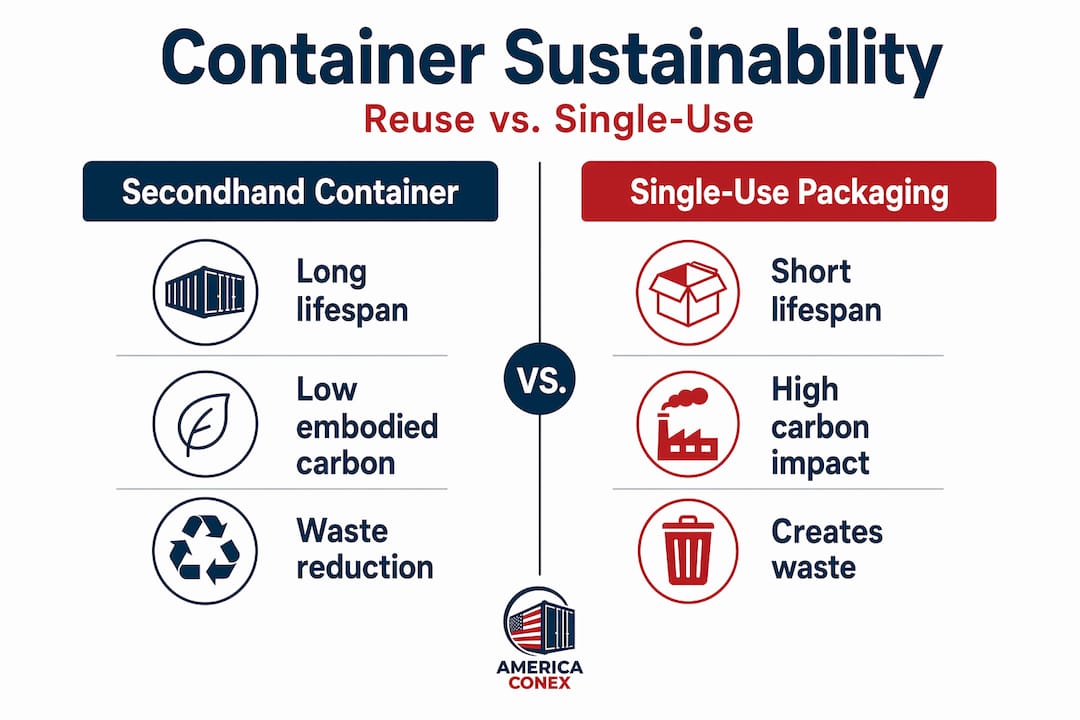
Here is how the options compare across the factors that matter most for eco-conscious buyers:
| Factor | Secondhand container | New container | Single-use packaging |
|---|---|---|---|
| Embodied carbon | Very low | High | High (per use cycle) |
| Cost | Lower upfront | Higher upfront | Low per unit, high over time |
| Reuse potential | 25+ years | 25+ years | None |
| Waste contribution | Minimal | Minimal | Very high |
| Supply chain resilience | High | High | Low |
| Circular economy fit | Excellent | Moderate | Poor |
Reuse models reduce demand for raw materials and emissions, providing cost efficiency without short-term compromise. That is a significant advantage for businesses tracking ESG metrics or responding to customer expectations around sustainability.
For businesses deciding between secondhand and new, these are the most important steps to work through:
- Estimate your reuse cycles. If a container will serve the same function for five or more years, secondhand is almost always the lower-impact option.
- Check container grade options before buying. Wind and water tight (WWT) units and cargo-worthy units serve different needs, and matching grade to function prevents premature replacement.
- Calculate total cost of ownership. A secondhand unit purchased at a lower price point and used for a decade almost always beats a new unit on both cost and environmental footprint.
- Consider resale value. Steel containers hold value well, so the end of your use case is not the end of the container's life.
Pro Tip: Businesses running pop-up retail, seasonal storage, or modular workspace programs often find that a secondhand container outperforms a new one financially and environmentally precisely because it has already survived the hardest part of its life cycle.
Practical tips for choosing and using secondhand containers sustainably
Buying secondhand is only the beginning. The full environmental benefits of reused containers are realized when the units are well-chosen, properly maintained, and put to uses that genuinely extend their life cycle. Here is how to do it right.
Before you buy:
- Inspect for structural integrity. Check corners, floor beams, and door seals carefully. A container with compromised structural components may need more repair than it is worth.
- Understand what cargo-worthy means. A container rated cargo-worthy has passed inspection for active international shipping, not just land storage. Know which grade fits your actual need.
- Review container maintenance strategies before committing to a unit that shows visible corrosion. Some surface rust is cosmetic; widespread corrosion on the floor or walls is a different problem.
After you buy:
- Touch up paint and sealant within the first season of land use. This single step can add years of functional life.
- Keep container doors operational by lubricating hinges and locking mechanisms annually.
- Elevate containers slightly off bare soil using concrete blocks or railroad ties to prevent ground moisture from accelerating floor degradation.
- Inspect the roof twice a year. Pooling water is the most common cause of preventable rust.
Proper inspection, repair, and maintenance extend container lifespan in ways that directly support sustainable reuse.
Expanding the use case:
The environmental benefits of reused containers multiply when a single unit serves multiple purposes over its life. Consider converting containers for storage into modified workspaces, portable offices, or multi-unit retail installations. Each repurpose delays the need for a new building material or a new structure, compounding the savings.
Pro Tip: If you are working through a budget, review options for saving on container costs before purchasing. Buying at off-peak times or direct from a depot with local inventory can lower your cost substantially without affecting the container's sustainability profile.
Having practical guidelines makes sustainable adoption easier. Now let's consider a broader perspective on what container reuse actually means for the way we think about sustainability.
Rethinking sustainability: why secondhand containers challenge conventional reuse models
Here is the uncomfortable truth about most reusable packaging: it does not work as advertised. The concept is sound, but the execution fails repeatedly because the materials chosen are not durable enough to survive the reuse cycles required to make the environmental math work. Cardboard-hybrid totes delaminate. Polypropylene bins crack. Collapsible plastic crates lose structural integrity before they reach the break-even point. Durability is the overlooked factor that makes or breaks reusable packaging's sustainability claims.
Steel shipping containers are built to a completely different set of expectations. They were designed to be stacked, dropped, rained on, frozen, and baked in tropical sun, then do it all again for years on end. The secondary and tertiary uses that come after sea service are practically free rides from a material standpoint because the structural work has already been done.
This matters for how businesses and eco-conscious consumers think about durability in container choice. Too often, sustainability evaluations focus on initial carbon footprint numbers or recyclability at end of life, while the middle of the story, meaning the actual number of useful cycles the product completes, gets ignored. A container that lasts 30 years on land and replaces thousands of single-use packaging units over that period is doing something no lightweight "eco" tote can match.
The broader implication is that sustainability decisions should center on lifecycle durability as much as material composition. A secondhand shipping container is not just a budget alternative to buying new. It is a proof of concept that choosing the right material, building it to last, and reusing it far beyond its original purpose is exactly how circular economy principles are supposed to work in practice. That is a model worth applying to purchasing decisions well beyond containers.
Explore secondhand containers for sustainable shipping and storage with America Conex
At America Conex, we supply used and one-trip shipping containers to businesses and individuals across the United States, with access to over 30 depot locations for fast, local delivery. Whether you need secure job site storage, a modular commercial setup, or a dependable shipping solution, our inventory covers a range of grades and sizes to match your specific situation.
You can browse our inventory by container grade, including wind and water tight (WWT) and cargo-worthy options, or explore options by container dimensions across standard and high cube configurations in 20ft and 40ft sizes. Every unit is backed by transparent pricing and straightforward service. If you are ready to source a secondhand container that supports your sustainability goals without compromising on quality, start here.
Frequently asked questions
How long do secondhand shipping containers typically last?
Secondhand steel shipping containers can last 25 to 30 years on land after sea service due to their corrosion-resistant Corten steel design, enabling extensive reuse cycles that far exceed most packaging alternatives.
Are secondhand containers better for the environment than new containers?
Yes, because reusing containers avoids the high embodied carbon and waste from producing new steel. Upcycling used containers significantly reduces CO2 emissions compared to manufacturing new steel structures.
What are some key tips for maintaining secondhand containers sustainably?
Regular inspections, repairing dents and corrosion promptly, and purchasing from refurbishment programs all help extend lifespan. Proper inspection and maintenance are the most reliable ways to protect your investment and its environmental value.
Can secondhand containers help businesses meet sustainability targets?
Yes. Using reconditioned containers supports circular economy principles and reuse models reduce measurable waste output and resource consumption, which aligns directly with ESG reporting goals.