
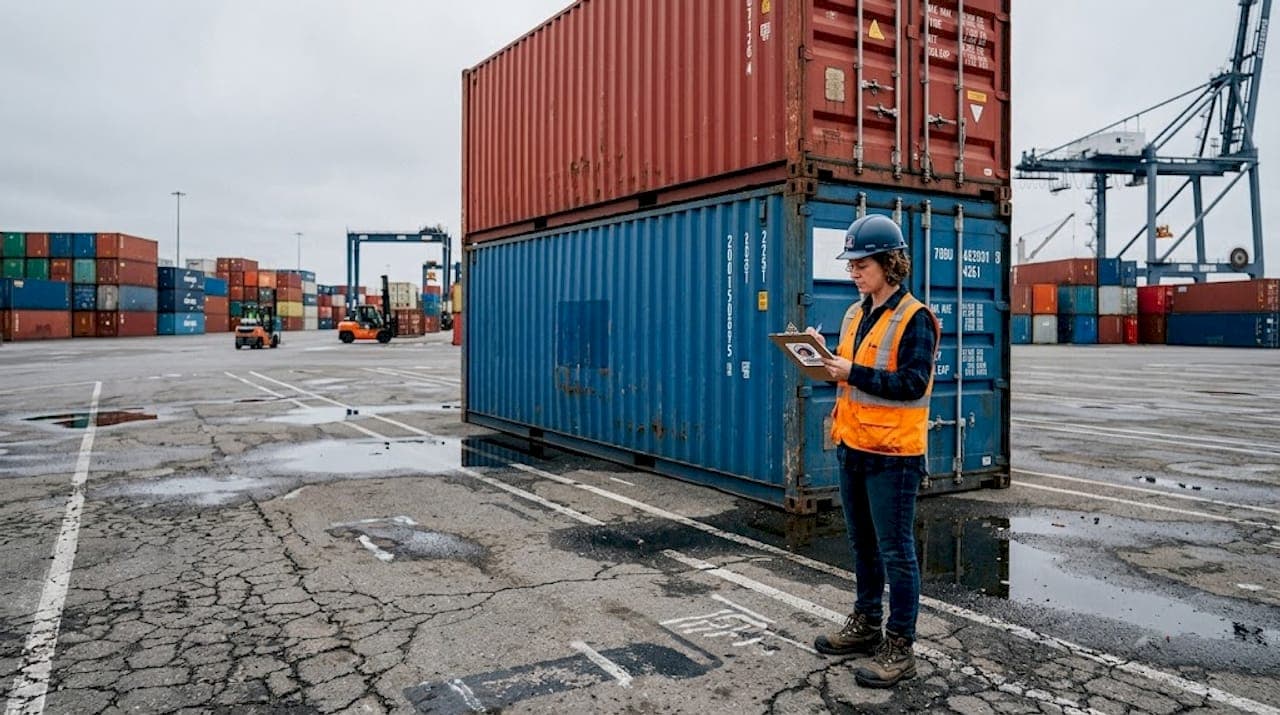
TL;DR:
- Choosing the right container involves matching size, condition, security, and features to your specific needs.
- Proper inspection and layered security features are essential to protect cargo and ensure longevity.
- Consider future adaptability and modifications to maximize value and operational flexibility.
Picking the wrong shipping container is a costly mistake that many small business owners and project managers make without realizing it until after delivery. The difference between a container that fits your workflow and one that creates daily headaches comes down to a handful of specific features most people skip when shopping. Security gaps, wasted vertical space, moisture damage, and unexpected maintenance costs are all symptoms of a rushed decision. This article walks you through the exact criteria you need to evaluate, so your next container purchase pays off from day one.
Table of Contents
- Size and type: Matching containers to your needs
- Structural quality and condition: Ensuring performance and value
- Security features: Protecting your cargo and investment
- Ventilation, flooring, and custom features: Optimizing usability
- A practical framework: Rethinking your container selection process
- Explore container solutions with America Conex
- Frequently asked questions
Key Takeaways
| Point | Details |
|---|---|
| Match type to needs | Choose container size and type based on project requirements and anticipated changes. |
| Insist on quality | Inspect for structural integrity and certifications to ensure long-term value. |
| Prioritize security | Upgrade locks and reinforcement features to safeguard goods against theft. |
| Optimize usability | Select ventilation, flooring, and custom features that improve cargo safety and operational flexibility. |
Size and type: Matching containers to your needs
Every container decision starts with cargo. What are you storing or shipping? How much of it? And how will it arrive at or leave your site? These three questions directly shape the size and type of container you need.
Standard containers are the most widely used option for both shipping and storage, and for good reason. The 20ft unit works well for smaller loads, tighter sites, and businesses that move containers frequently. The 40ft version handles high-volume storage and longer-term site setups. High-cube containers add a full foot of vertical height, making them ideal for bulky equipment, palletized goods, or any cargo where stacking matters. Specialty containers like refrigerated or open-top units serve niche needs but carry premium pricing.
Here is a quick comparison to guide your selection:
| Container type | Dimensions (L x W x H) | Best use case |
|---|---|---|
| 20ft standard | 20' x 8' x 8'6" | Small loads, frequent relocation |
| 40ft standard | 40' x 8' x 8'6" | High-volume storage or shipping |
| 40ft high-cube | 40' x 8' x 9'6" | Tall equipment, stacked pallets |
| Specialty (reefer, open-top) | Varies | Temperature control, oversized cargo |
Before you commit to a size, run through this checklist:
- Cargo dimensions: Does your largest item fit with room to maneuver?
- Weight limits: Standard units top out around 48,000 lbs for gross load.
- Site access: Can a delivery truck reach the placement location?
- Growth potential: Will your volume increase in the next 12 to 24 months?
- Permit requirements: Some municipalities restrict container length or placement.
A common pitfall is sizing down to cut costs, then paying more in the long run through overflow storage rentals or a second container purchase.
Pro Tip: Order one size up from your current need if your business is growing. The cost difference between a 20ft and 40ft unit is often smaller than you expect, and the flexibility is worth it.
Structural quality and condition: Ensuring performance and value
Once you know the size and type you need, the container's condition becomes your next critical filter. A container that looks acceptable from ten feet away can hide serious structural problems that compromise security and damage cargo.
Containers generally fall into four condition grades:
- One-trip (new): Used once to ship goods from the manufacturer, essentially like-new condition.
- Cargo-worthy: Certified to meet international shipping standards, structurally sound for active shipments.
- Wind and watertight (WWT): Solid for storage but not certified for active ocean transport.
- As-is: Sold without any condition guarantee, typically for scrap or heavily modified projects.
Container quality directly affects security and the lifespan of contents, which makes a thorough inspection non-negotiable before purchase.
Here is what to inspect on any used container:
- Floor: Check for soft spots, rot in the bamboo or plywood, and any structural bowing.
- Door seals: Close the doors and look for light gaps. Any light means weather exposure.
- Roof: Look for dents that collect water and any hairline cracks near the corners.
- Walls and frame: Run your hand along the interior for sharp rust pockets or repairs that were patched over.
- Corner castings: These bear the lifting and stacking loads. Cracks here are a serious red flag.
Understanding what cargo-worthy containers really means matters if you plan to ship internationally. A valid CSC (Container Safety Convention) plate must be affixed to the door, and it includes the next inspection date. Expired plates mean the container does not qualify for active shipment.
"A used container that passes visual inspection can still hide internal rust or floor damage. Always verify condition documentation before signing any purchase agreement."
Pro Tip: Request independent inspection reports for high-value shipments. A third-party inspector costs a few hundred dollars and can prevent thousands in damaged goods or compliance issues.
Security features: Protecting your cargo and investment
With the container's integrity confirmed, security features become your next priority. Theft and tampering are real risks at job sites and storage yards, especially overnight or over weekends.
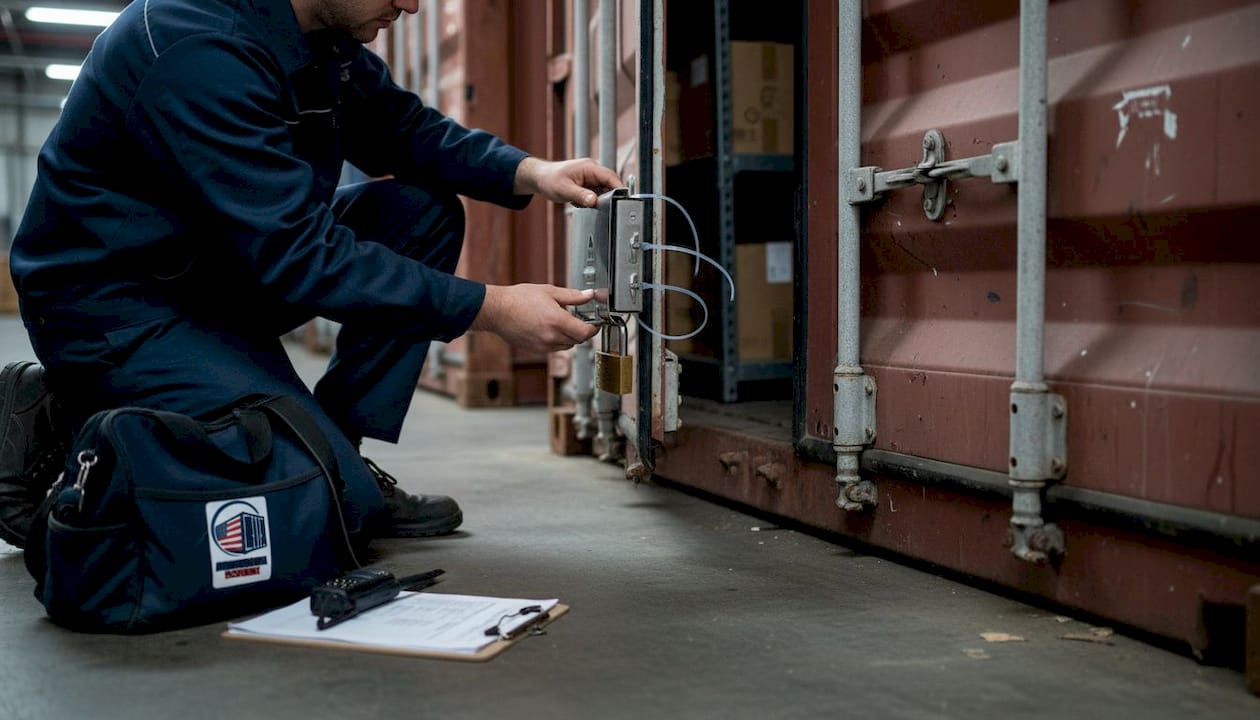
Container security features are crucial for theft prevention and shipment safety, and the options range from basic padlocks to GPS-enabled monitoring systems.
Here is a step-by-step approach to building strong container security:
- Start with a quality padlock: Use a hardened steel shackle padlock rated for outdoor exposure. Standard padlocks are too easy to cut.
- Add a lockbox: A lockbox (also called a lock guard) surrounds the padlock, making it nearly impossible to access with bolt cutters. This single upgrade dramatically closes the most common vulnerability.
- Install a crossbar lock system: For high-value cargo, crossbars run across the interior of the doors, preventing forced entry even if the exterior lock is breached.
- Apply tamper-evident seals: These seals show visible damage if anyone tries to open the container, giving you an instant record of unauthorized access.
- Consider GPS tracking: Battery-powered GPS units attach inside the container and report location in real time, invaluable for containers in transit or rotating between sites.
- Upgrade door hinges: Exposed hinges can be cut. Door reinforcement kits weld or bolt a protective plate over the hinge area.
Modern locking systems reduce break-in risk significantly, especially when combined with a lockbox. Using just one layer of security is the most common mistake businesses make when improving site security.
"The lockbox is the single most cost-effective security upgrade for any container. It costs under $100 and stops the most common attack method cold."
Ventilation, flooring, and custom features: Optimizing usability
A container's exterior protects your cargo from theft and weather, but the interior determines whether that cargo actually arrives in good condition. Internal features are often treated as optional extras, but for many business applications, they are just as important as size and grade.
Ventilation and flooring types affect both climate control and cargo safety, and the right choices depend on what you are storing.
Ventilation options:
- Passive vents are fixed louvered openings that allow air to circulate without power. They work well in moderate climates and for non-sensitive goods.
- Active vents use electric or solar-powered fans to push air through the container. They are essential for electronics, food products, chemicals, or anything sensitive to heat and humidity.
- Anti-condensation coatings applied to the roof and walls reduce moisture buildup from temperature swings, which is the leading cause of cargo damage inside sealed containers.
Flooring options:
| Floor type | Best for | Notes |
|---|---|---|
| Treated plywood | General storage, palletized goods | Standard in most containers |
| Steel diamond plate | Heavy equipment, tools | Durable but adds weight |
| Specialty coatings | Food, chemicals, electronics | Custom order, adds cost |
High-impact interior upgrades to consider:
- Shelving and racking systems for organized inventory access
- Electrical wiring and lighting for extended work or night access
- Insulation panels for temperature-sensitive cargo or year-round comfort
- Windows and personnel doors for office or workshop conversions
- Forklift pockets added to the base for frequent repositioning
You can also review container transport options if your container needs to move between sites regularly, since interior modifications can affect transport logistics and weight distribution.
The right interior setup turns a bare metal box into a functional asset that saves time, protects inventory, and adapts to your workflow.
A practical framework: Rethinking your container selection process
Most buyers lead with price. That is understandable but backwards. Price is the outcome of every other decision you make, not the starting point. When you select the right size, verify the condition, layer in security, and add only the interior features your operation actually needs, the cost you land on is justified and predictable.
What most guides miss is sequencing. You cannot evaluate price without knowing grade. You cannot know if WWT is sufficient without understanding your storage conditions. And you cannot future-proof a container purchase if you have not considered how your business needs might shift in 18 months.
The overlooked question in every container purchase is adaptability. A one-trip 40ft high-cube with passive vents may be perfect today and need active ventilation or shelving added next year. Containers that are built for modification from the start save significantly more over time than cheap units that require replacement.
Check the shipping container terminology used in any contract before you sign. Grade definitions and condition language vary between suppliers, and knowing the standard terms protects you.
Pro Tip: Revisit your container's features annually. Locking technology, ventilation products, and GPS tracking systems evolve quickly, and a small upgrade each year compounds into significantly better protection and usability.
Explore container solutions with America Conex
Now that you know exactly what to evaluate, the next step is finding a supplier who can match inventory to your specific requirements without the runaround.
At America Conex, we supply new one-trip containers, used cargo-worthy units, and wind and watertight options in both 20ft and 40ft standard and high-cube configurations. Our network of 30-plus depots across the country means fast delivery at competitive pricing, whether you are setting up a job site in the Southwest or expanding storage in the Northeast. We make the buying process straightforward: transparent pricing, honest condition descriptions, and real support from people who know containers. Reach out today for a personalized quote and let us match you with the right unit for your operation.
Frequently asked questions
What is the difference between a standard and high-cube shipping container?
A high-cube container is usually one foot taller than a standard container, providing extra vertical space for bulky or stacked cargo. Standard and high-cube containers differ in their height and capacity, which directly affects what cargo types they can accommodate.
How can I check if a used container is cargo-worthy?
Inspect the container for sound structure, no major rust or holes, and check for a valid CSC plate certifying it meets international shipping standards. Cargo-worthy containers must meet specific inspection criteria for safe shipping, and an expired CSC plate disqualifies the unit for active transport.
What security upgrades are most important for valuable cargo?
Lockboxes, tamper-evident seals, and modern locking systems offer the best protection against theft during transit or storage. Modern lockboxes and security features protect valuable shipments at a fraction of the cost of replacing stolen goods.
Are there ways to improve ventilation in a shipping container?
Yes, adding or upgrading passive and active vents helps prevent condensation and protects sensitive cargo from heat or moisture. Ventilation systems play a key role in preserving container contents, particularly for electronics, food products, and chemicals stored long-term.