
TL;DR:
- Standardized ISO shipping containers are designed for global multimodal freight transport and meet specific standards.
- Sizes, construction features, markings, and certifications are critical for legal transport and proper use.
- Regulations, permits, and understanding edge cases are essential when repurposing containers for storage or construction.
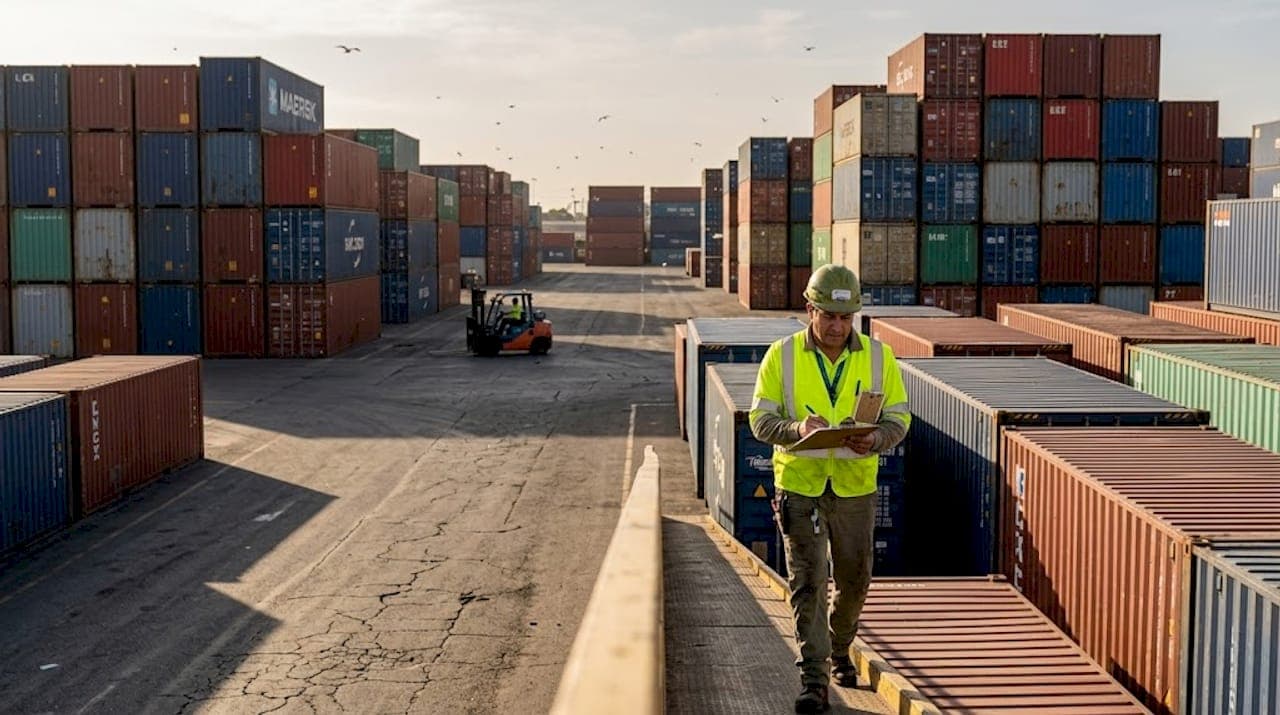
Not every big steel box on a truck or railcar qualifies as a shipping container. That distinction matters more than most people realize. A standardized, reusable steel box designed for multimodal freight transport is what the industry actually means by the term. If you're planning to buy, rent, store goods, or build with one, knowing the difference between a true shipping container and a generic steel box can save you real money, prevent legal headaches, and make sure you get the right unit for the job. This guide breaks down definitions, standards, sizes, types, and U.S. regulations in plain language.
Table of Contents
- What is a shipping container? Definition and global standards
- Core features: Sizes, construction, durability, and markings
- Types of shipping containers and their uses
- Beyond shipping: U.S. regulations, residential, and commercial storage
- Edge cases: 53ft containers, non-ISO variants, and insider precautions
- Why paying attention to the details of shipping containers pays off
- Ready to find the right shipping container?
- Frequently asked questions
Key Takeaways
| Point | Details |
|---|---|
| Standardized definition | A true shipping container is an ISO-standard, reusable steel box engineered for transport across ships, trains, and trucks. |
| Key features | Look for ISO codes, common sizes (20ft/40ft), durable steel construction, and CSC plates for safety and compliance. |
| Variety of types | Choose from standard, high-cube, refrigerated, and specialized containers to fit your shipping or storage needs. |
| U.S. regulation matters | Repurposing containers requires following local zoning, building codes, and permit rules, especially for permanent use. |
| Not all containers are equal | Some larger or older boxes like 53ft units are for domestic use only, not international shipping. |
What is a shipping container? Definition and global standards
The confusion starts because people use the term loosely. In reality, a shipping container, also called an intermodal or ISO container, is a standardized, reusable steel box built for efficient freight transport across ships, trucks, and trains. The key word is standardized. These units are governed by ISO standards covering dimensions, testing protocols, coding systems, and corner fittings. That standardization is what makes global trade work at scale.
"A shipping container is not just a box. It's a precisely engineered unit built to survive ocean swells, stack nine high, and transfer between a cargo ship and a flatbed truck without modification."
Here's why standards matter in practice:
- ISO 668 defines the basic dimensions and ratings for freight containers.
- ISO 6346 covers the coding, identification, and marking system you see on every container.
- A CSC plate (Convention for Safe Containers) certifies the unit as safe for international transport.
- Without these, a container cannot legally move through ports or be stacked on a vessel.
Roughly 90% of the world's container fleet consists of standardized dry freight containers. That near-universal adoption is what lets a box loaded in Los Angeles arrive in Rotterdam without anyone needing to repack the cargo. If you want to master industry terms before buying or renting, understanding ISO compliance is the right place to start. Our standard container guide also walks through the basics in more detail.
Core features: Sizes, construction, durability, and markings
With international standards in mind, the next piece is what actually makes up a shipping container. The details you can see, measure, or rely on are just as important as the certifications.
The two most common external sizes are the 20-foot (20'x8'x8'6") and 40-foot (40'x8'x8'6") units. High-cube containers add an extra foot of height, bringing the exterior to 9'6" tall. That extra foot makes a real difference when storing tall equipment or bulky inventory.
| Container type | External length | External height | Approx. payload |
|---|---|---|---|
| 20ft standard | 20 ft | 8 ft 6 in | ~25,000 kg |
| 40ft standard | 40 ft | 8 ft 6 in | ~27,000 kg |
| 40ft high-cube | 40 ft | 9 ft 6 in | ~26,500 kg |
Standard 20ft and 40ft containers are the industry baseline globally. Construction uses high-strength corrugated steel, marine plywood floors, and weatherproof double doors as standard features. The steel used is Corten, a weathering steel that forms a protective rust layer instead of corroding through. That's why containers last 25 or more years with basic upkeep.
Stat to know: A fully loaded container stack can reach up to 9 units high, which is why corner castings and structural ratings are non-negotiable for safety.
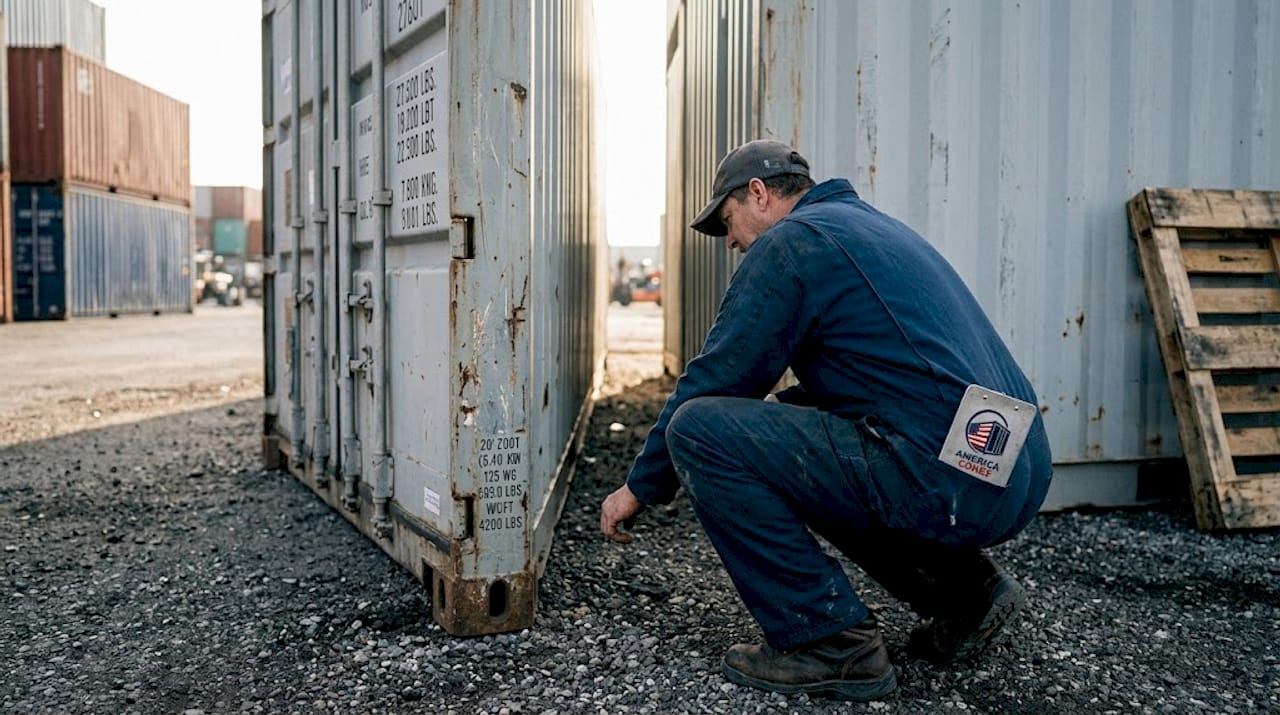
Markings on the exterior are not just decorative. They show the tare weight (empty weight), maximum gross weight, payload capacity, and ISO identification codes. Before buying, always check these markings are legible. A cargo worthy inspection will verify these details and confirm the unit meets transport requirements.
Pro Tip: If the markings on a used container are painted over or unreadable, treat that as a red flag. Legible markings are required for legal transport and are a basic sign the seller is transparent.
Types of shipping containers and their uses
Knowing how the standard container is built and marked, it's time to explore the variety of forms these steel boxes take and which is right for specific needs.
The most common container types include dry van, high-cube, reefer, open-top, flat-rack, double-door, and tank containers. Each serves a different purpose:
- Dry van (standard): General freight, household goods, retail products, and most storage uses.
- High-cube: Bulky or tall cargo, furniture, machinery, and construction equipment storage.
- Reefer (refrigerated): Temperature-controlled freight like food, pharmaceuticals, and chemicals.
- Open-top: Oversized cargo loaded from above, such as machinery or timber.
- Flat-rack: Heavy or wide loads that can't fit inside a standard box, like vehicles or industrial parts.
- Tank container: Liquids, gases, and hazardous materials in a cylindrical tank inside a frame.
| Type | Best for | ISO stackable? |
|---|---|---|
| Dry van | General freight, storage | Yes |
| High-cube | Bulky goods, extra height | Yes |
| Reefer | Perishables, temperature-sensitive | Yes |
| Open-top | Oversized cargo | Varies |
| Flat-rack | Heavy/wide loads | Varies |
| Tank | Liquids, gases | Yes |
For most individuals and businesses, the dry van and high-cube options cover the majority of needs. If you're setting up a container storage workflow for a job site or warehouse, a standard 20ft or 40ft dry van is usually the most practical and cost-effective choice. For home use, residential container storage works well with standard or high-cube units depending on what you're storing.

Beyond shipping: U.S. regulations, residential, and commercial storage
After types and uses, many want to repurpose or use containers beyond shipping, especially for secure U.S. storage or building projects. Here's what to know before you start.
Using a container for static or permanent purposes in the U.S. involves a different set of rules than simply shipping freight. Here's a practical checklist:
- Check local zoning laws. Some municipalities ban containers in residential zones entirely. Others allow them with restrictions on placement, screening, or duration.
- Pull the right permits. For permanent structures, local building codes and permitting apply, including IBC 3115 for container-based construction.
- Review HOA rules. If you live in a neighborhood with a homeowners association, containers may be restricted or prohibited regardless of local zoning.
- Get engineering review for modifications. Cutting walls, adding windows, or stacking containers for a building project typically requires a licensed structural engineer's sign-off.
- Verify cargo worthiness for shipping. If you plan to ship goods at any point, the container must meet cargo worthy standards, not just sit on a lot.
Temporary use on construction sites is generally simpler. Most jurisdictions treat a container on a job site as temporary equipment, but you should still check with local authorities before placing one.
Pro Tip: Call your local planning department before you buy. A five-minute conversation can tell you exactly what permits you need and prevent a costly mistake after delivery.
Understanding how container depots work also helps when planning delivery logistics for your storage or construction project.
Edge cases: 53ft containers, non-ISO variants, and insider precautions
Even with a working understanding of main types and regulations, there are important exceptions and pitfalls you can't afford to miss, especially if you're buying secondhand or using containers outside traditional shipping.
"Not everything that looks like a shipping container is one. The difference can cost you thousands if you're buying for the wrong purpose."
Here are the most common edge cases:
- 53ft domestic containers: Used only for U.S. domestic transport by rail and truck, these are not ISO-compliant and cannot be used for ocean freight or stacked in international terminals.
- Swap-bodies: Common in Europe, these units sit on legs and are not ISO-stackable. They look like containers but don't meet the same standards.
- Older domestic containers: Some older units in the U.S. market were built to domestic specs and lack the corner castings needed for intermodal use.
- Missing or invalid CSC plates: A container without a current CSC plate cannot legally be used for international shipping. Always verify before buying.
- Overloading risks: Exceeding the marked payload can result in fines, accidents at ports, or outright rejection by carriers.
For specialized container types, expect higher purchase prices, more limited resale options, and more complex logistics. Staying informed about container market trends helps you time purchases wisely. And if budget is a concern, there are proven strategies for cutting container costs without sacrificing quality or compliance.
Why paying attention to the details of shipping containers pays off
With all the facts in mind, let's consider what separates smart container decisions from costly mistakes.
Most buyers focus on price and size. That's understandable, but it's also where things go wrong. We've seen customers buy the cheapest unit available only to discover it lacks a valid CSC plate, has unreadable markings, or doesn't meet the stack rating they need. The result is either a container that can't be used for its intended purpose or one that requires expensive repairs and certifications before it can.
The smartest buyers treat a container purchase the way they'd treat buying a commercial vehicle. They check the cargo worthiness details, verify certifications, and match the container type to the actual job. They also think ahead. A container bought for storage today might be needed for shipping next year. Buying one that meets ISO standards from the start keeps your options open.
Price matters, but it's one factor among several. The cheapest container isn't always the best investment when you account for compliance costs, repair needs, and resale value. Paying a little more for a unit with clean markings, a valid CSC plate, and documented inspection history almost always pays off over time.
Ready to find the right shipping container?
If you're ready to take the next step toward using or buying a container, here's where to start.
America Conex supplies new and used shipping containers nationwide, including standard 20ft and 40ft units, high-cube options, and both cargo worthy and one-trip containers. With over 30 depot locations across the country, we can deliver quickly and competitively no matter where your project is located.
Whether you need secure storage for a job site, a residential solution, or a container ready for international freight, our team can match you with the right unit at the right price. Browse our available shipping containers for sale or reach out to speak with a container specialist who can answer your specific questions. We make the buying process straightforward from first inquiry to delivery.
Frequently asked questions
What is the difference between a shipping container and a storage container?
A shipping container meets ISO standards for transport and can be used internationally, while a storage container may not meet these standards and is typically used only for static, on-site storage.
Can I use a shipping container for home or office construction?
Yes, but local building codes and permits apply, and most permanent container structures require an engineering review before construction begins.
What are the most common sizes of shipping containers?
The most common sizes are 20-foot and 40-foot containers, both available in standard and high-cube heights, with the high-cube version standing one foot taller.
How do I know if a container is suitable for shipping?
It must have a valid CSC plate, legible ISO markings, and pass a cargo worthy inspection confirming it meets transport standards.
Are 53ft shipping containers allowed on ships?
No. 53ft containers are built for U.S. domestic rail and truck use only and are not used in international ocean freight.