
TL;DR:
- Wind and water tight containers are structurally sound for basic weather resistance but are not certified for international shipping. They are ideal for domestic storage, construction sites, and rental use, offering a cost-effective solution that requires regular maintenance and inspection. Buyers should understand the limitations of WWT status, particularly in harsh environments, and verify inspection reports to ensure long-term reliability.
If you've ever tried to buy or rent a shipping container, you've probably run into a wall of industry jargon. Terms like "cargo worthy," "one-trip," and "as-is" get thrown around freely, and "WWT" (wind and water tight) is one of the most misunderstood of them all. Many buyers assume WWT containers are ready for anything, including international shipping, only to discover that's not the case. Knowing exactly what WWT means, what it covers, and where it falls short can save you money, protect your inventory, and help you choose the right container the first time.
Table of Contents
- Understanding WWT: What does wind and water tight mean?
- WWT vs. other container grades: Comparison and key differences
- Applications of WWT containers: Shipping, storage, and beyond
- Factors affecting WWT container value and pricing
- What most buyers miss about WWT containers
- Find the right WWT container with America Conex
- Frequently asked questions
Key Takeaways
| Point | Details |
|---|---|
| WWT means weather-tight | WWT containers ensure protection against wind and water, offering dry and secure storage. |
| WWT vs cargo worthy | WWT is for secure storage; cargo worthy is required for international shipping and higher structural standards. |
| Versatile storage uses | WWT containers are perfect for residential, business, and construction storage applications. |
| Factors affecting price | Location, age, prior use, and condition determine how much you pay for a WWT container. |
| Inspect before purchase | Always check doors, seals, and flooring to confirm true wind and water tightness. |
Understanding WWT: What does wind and water tight mean?
The term "wind and water tight" describes a container that is structurally sound enough to keep out the elements. That means no holes in the walls or roof, no gaps around the door seals, and no openings that would allow rain or wind to damage whatever is stored inside. It does not mean the container is in perfect condition, and it does not mean it's certified for international ocean freight.
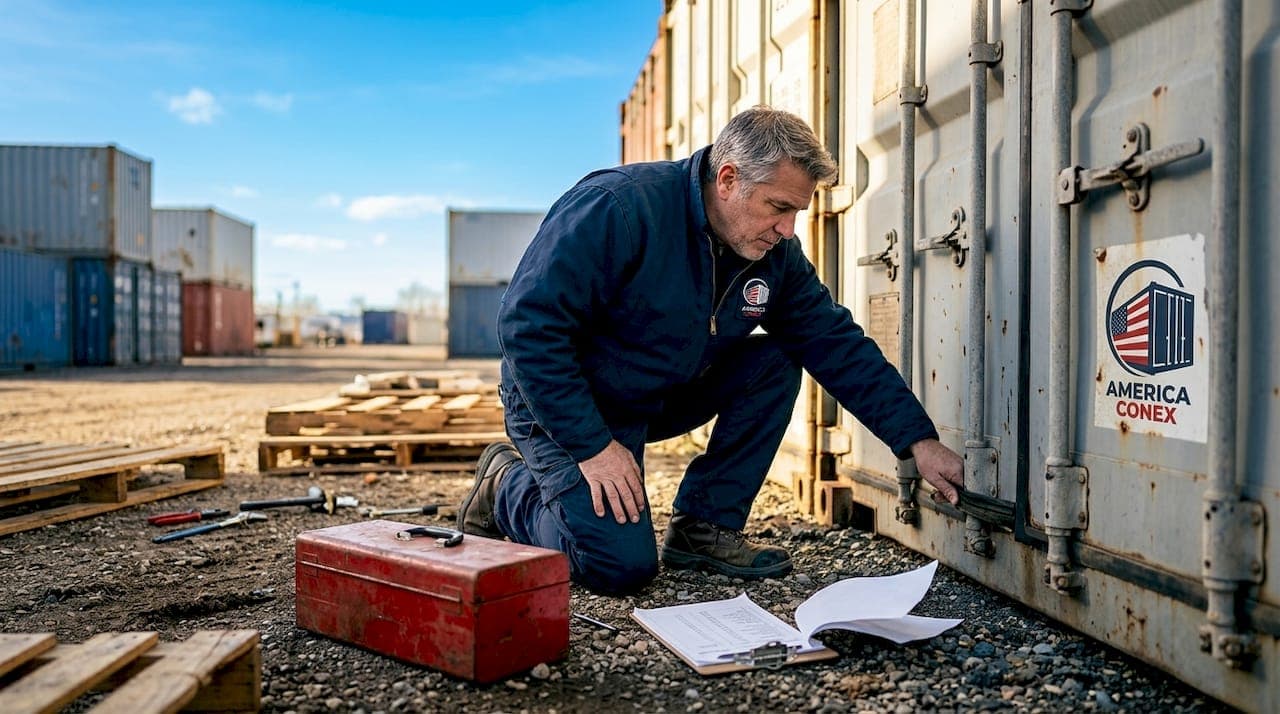
WWT containers are inspected for holes, structural integrity, and weatherproofing. Inspectors look at the roof panels, side walls, floor, and door gaskets to confirm the container can resist basic weather exposure. If the container passes, it earns the WWT designation. If it fails, it either gets repaired or drops to an "as-is" classification.
Here's what a WWT inspection typically covers:
- Roof and side panels: No punctures, cracks, or corrosion that penetrates the steel
- Floor integrity: The wooden floor should be solid, without rot or large gaps
- Door seals and gaskets: Rubber seals must create a weather-resistant barrier when closed
- Structural frame: Corner castings and rails must be intact and not severely bent
- Interior dryness: No evidence of water intrusion or moisture buildup
It's important to understand what WWT does not cover. It is not a rating for structural load capacity under ocean conditions, and it does not certify the container for international cargo transport. For that, you need a cargo worthy (CW) rating, which involves a more rigorous inspection process. If you're new to this space, brushing up on shipping container industry terms before purchasing can prevent costly mistakes.
Pro Tip: When inspecting a WWT container in person, bring a flashlight and close the doors from the inside. Any pinhole light you see coming through the walls or roof is a red flag that the container may not truly be wind and water tight.
WWT vs. other container grades: Comparison and key differences
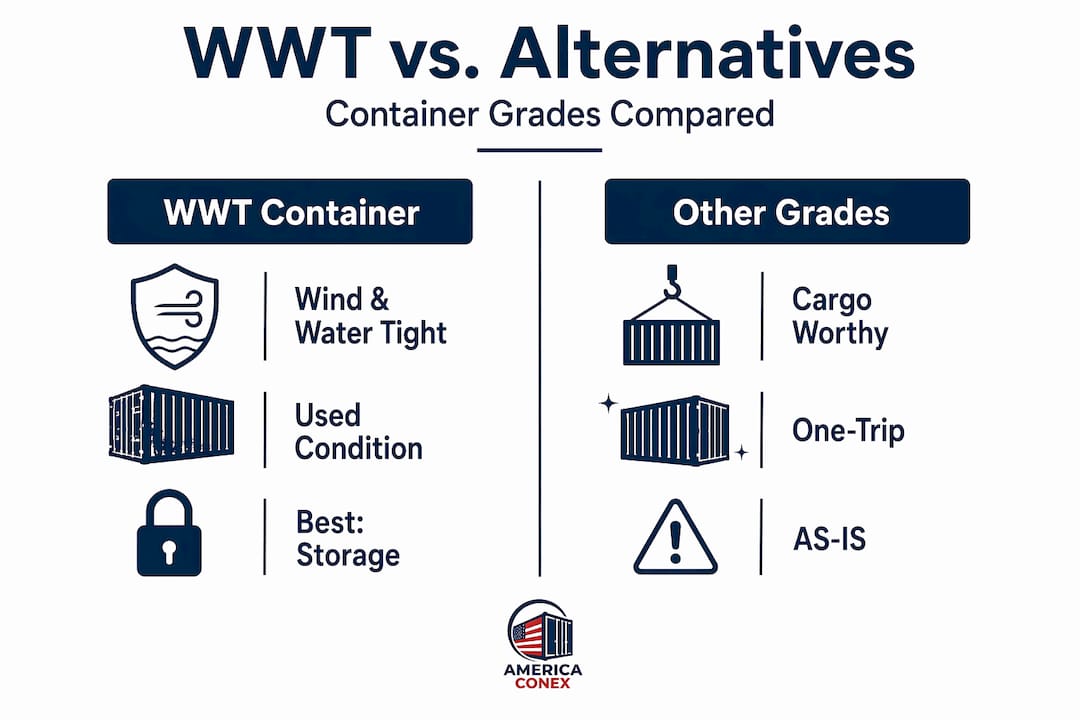
Now that we've defined WWT, let's see how it stacks up against other common container grades. The container market has four main quality tiers, and each serves a different purpose at a different price point.
| Grade | Condition | Certified for shipping? | Best use |
|---|---|---|---|
| WWT (wind and water tight) | Used, weather-resistant | Domestic only | Storage, job sites, residential |
| Cargo worthy (CW) | Used, structurally certified | Yes, international | Active freight, overseas shipping |
| One-trip (new) | Like-new condition | Yes | Premium storage, sensitive cargo |
| As-is | Variable, may have defects | No | Budget projects, non-critical use |
WWT offers reliable protection against wind and water, but may lack certifications for international transport. This is the key distinction most buyers overlook. A WWT container can sit on your property through rain, snow, and wind without letting moisture inside. But if you need to load it onto a ship for overseas delivery, you'll need a cargo worthy container instead.
Here's a quick breakdown of the practical differences:
- WWT vs. cargo worthy: Cargo worthy containers go through additional structural tests and may carry certifications from third-party inspection bodies. WWT containers skip those steps, which is why they cost less.
- WWT vs. one-trip: One-trip containers have made a single journey from the manufacturer, usually from Asia, and arrive in like-new condition. They cost significantly more but offer the cleanest interior and longest expected lifespan.
- WWT vs. as-is: As-is containers are sold without any guarantee of weather resistance. They may have dents, holes, or failing seals. WWT containers are a meaningful step up in reliability.
For buyers comparing standard container types, the WWT grade hits a sweet spot: it's affordable, reliable for dry storage, and widely available. If your priority is protecting inventory on a construction site or storing equipment at home, WWT delivers solid value without the premium cost of cargo worthy or one-trip units. For businesses evaluating container quality in site storage, WWT containers consistently prove their worth in demanding environments.
Applications of WWT containers: Shipping, storage, and beyond
Understanding the grades is only half the story. Let's look at how WWT containers are actually used across different industries and settings.
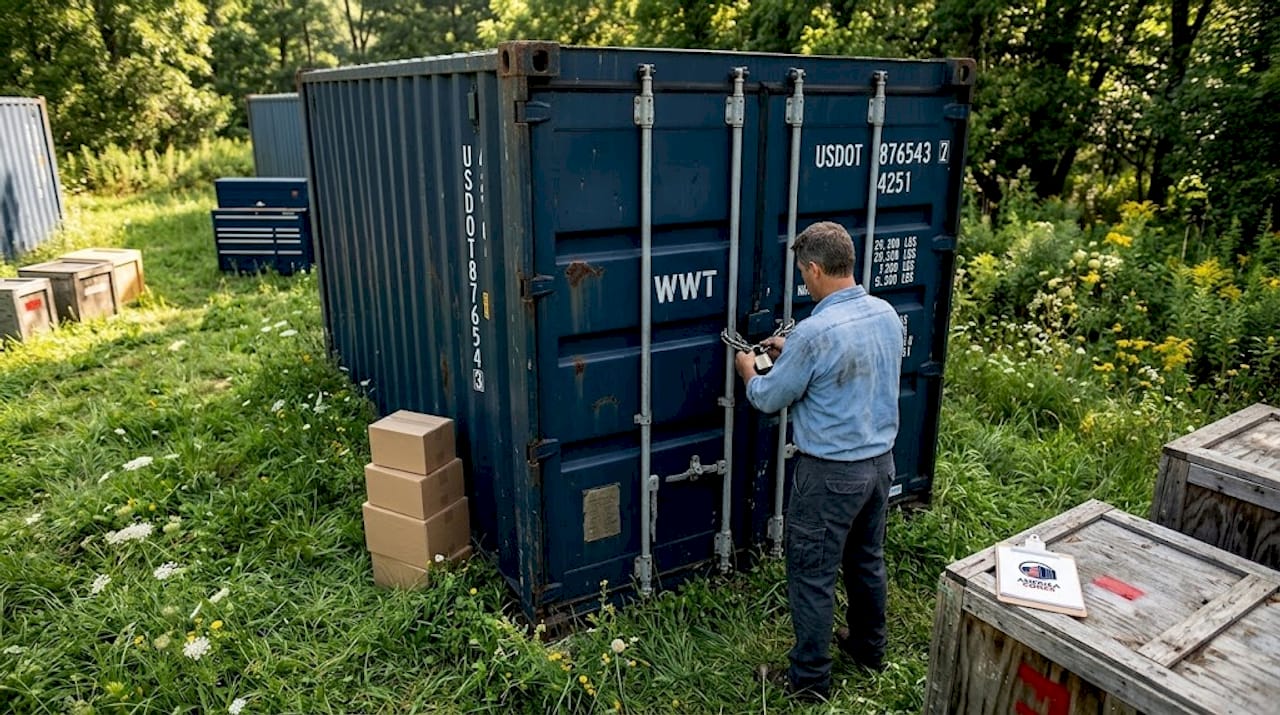
WWT containers are widely used for secure, affordable residential storage. Homeowners use them to store furniture during renovations, seasonal equipment, or overflow from a garage. Because WWT containers are weatherproof, your belongings stay dry even during heavy storms.
Here are the most common applications ranked by frequency:
- Residential storage: Storing household goods, tools, and seasonal items on your property
- Construction site storage: Keeping tools, materials, and equipment secure between shifts
- Business inventory storage: Warehousing overflow stock without renting additional commercial space
- Agricultural use: Storing feed, equipment, or harvested goods on farms
- Pop-up retail and events: Temporary retail spaces, ticket booths, or event storage
- Disaster relief staging: Quick deployment for emergency supply storage
The key question is: when is WWT enough, and when do you actually need cargo worthy? The answer depends on what you're shipping or storing, and where it's going.
"If your container never leaves the ground and stays on your property or job site, WWT is almost always the right choice. The extra cost of cargo worthy certification only makes sense when the container is actively used for ocean freight."
For domestic road transport, WWT containers are perfectly acceptable. Trucking companies and rail operators do not require cargo worthy certification for overland moves. The cargo worthy standard exists specifically for ocean shipping, where containers face extreme stress from wave action, stacking loads, and salt air exposure.
Common pitfalls buyers run into with WWT containers:
- Assuming WWT means no maintenance: Even a WWT container will develop rust or seal degradation over time. Plan for annual inspections and touch-up paint on any surface rust.
- Ignoring the floor: The wooden floor in a WWT container can absorb moisture from below if the container sits directly on wet ground. Use gravel pads or concrete blocks to keep airflow underneath.
- Skipping door seal checks: The rubber gaskets around the doors are the most vulnerable part of any used container. Replacing worn seals costs very little but makes a big difference in keeping moisture out.
Improving your container storage workflow can also extend the life of your unit significantly. Simple habits like keeping the doors closed when not in use, sweeping out debris, and applying a rust-inhibiting coating every few years will keep a WWT container performing well for a decade or more. If you're evaluating container depots for secure storage, knowing the WWT standard helps you ask the right questions before committing to a purchase or rental.
Pro Tip: If you're storing anything sensitive to humidity, like electronics, documents, or fabric, add desiccant packs inside the container. WWT containers keep out rain, but temperature changes can cause condensation on the interior walls, which is a separate issue from weather intrusion.
Factors affecting WWT container value and pricing
To make an informed purchase, it's crucial to understand what drives the price of WWT containers. Pricing is not standardized across the industry, and two containers with the same WWT designation can vary by hundreds of dollars depending on several factors.
Age, location, and prior use affect container pricing for both WWT and cargo worthy grades. Here's how those variables typically break down:
| Pricing factor | Impact on cost | Notes |
|---|---|---|
| Container age | High | Older containers cost less but may need more maintenance |
| Location/depot proximity | High | Delivery from a nearby depot cuts transport costs significantly |
| Prior cargo type | Medium | Containers that carried chemicals or food may require cleaning |
| Size (20ft vs. 40ft) | High | 40ft units cost more upfront but offer double the space |
| Modifications | Variable | Cut-outs, shelving, or paint add cost but increase utility |
| Local market demand | Medium | High-demand areas like urban centers may have higher prices |
The factors that most buyers underestimate are delivery costs and local depot availability. A WWT container priced at $1,800 in one city might cost $2,400 by the time it's delivered to a rural location 200 miles away. Always ask for an all-in price that includes delivery before comparing quotes.
Key things that affect your total cost of ownership:
- Inspection fees: Some sellers charge for third-party inspections. Others include them. Always know what's covered.
- Modification costs: Adding a lock box, shelving, or ventilation after purchase adds to your total investment.
- Maintenance budget: Factor in annual rust treatment and door seal replacement over the container's life.
- Resale value: WWT containers hold reasonable resale value if maintained well, especially in markets with high storage demand.
For buyers looking to reduce their overall spend, exploring cost-saving container transport options can make a real difference. Choosing a supplier with depots close to your location is one of the most effective ways to keep delivery costs low.
What most buyers miss about WWT containers
Here's something the industry doesn't talk about enough: WWT status is a snapshot in time, not a permanent guarantee. A container passes its WWT inspection on a specific date. After that, it's up to the buyer to maintain that standard. Weather, use, and time all degrade a container's weather resistance, and no certification automatically renews itself.
Most buyers focus entirely on price and size. They check the dimensions, confirm the price, and sign the paperwork. What they skip is the physical inspection of the door seals and the floor. These are the two areas most likely to fail first on a used container, and they're also the easiest to fix if caught early. A cracked rubber gasket costs under $50 to replace. Water damage to stored inventory can cost thousands.
There's also a geographic factor that buyers rarely consider. A container that performed perfectly in a dry inland climate may struggle in a coastal environment with salt air and high humidity. If you're in Florida, Louisiana, or the Pacific Northwest, your WWT container needs more frequent maintenance than the same unit would in Arizona or Nevada. The steel is the same, but the environment it's fighting is much harsher.
Another overlooked detail: not all WWT containers are inspected equally. Some suppliers do thorough, documented inspections with written reports. Others do a quick visual check and call it done. Before you buy, ask whether the cargo worthy vs WWT inspection was documented and whether you can see the report. A reputable supplier will have no problem sharing that information.
The buyers who get the most value from WWT containers are the ones who treat them like any other piece of equipment: they inspect before buying, maintain on a schedule, and understand exactly what the grade does and doesn't promise. That mindset turns a WWT container into a reliable, long-lasting asset instead of a source of frustration.
Find the right WWT container with America Conex
If you're ready to explore WWT containers for your storage or shipping needs, here's how America Conex makes the process easy.
At America Conex, we stock a wide selection of WWT containers in both 20ft and 40ft sizes, along with one-trip, cargo worthy, and high cube options. With over 30 depot locations across the country, we can deliver quickly to most areas and keep your delivery costs competitive. Our team walks you through the condition of every container before you commit, so there are no surprises when it arrives. Whether you need a single unit for your backyard or a fleet for a commercial project, we make the buying experience straightforward and transparent from start to finish.
Frequently asked questions
Are WWT containers good for shipping overseas?
WWT containers are usually not certified for international shipping, but are ideal for secure, dry storage and domestic transport. WWT containers may lack the certifications required for overseas freight, so choose cargo worthy containers for ocean shipments.
How can I verify a container is truly WWT?
Inspect for visible holes, rusty spots, and check the doors and seals for weatherproofing before purchase. WWT containers are inspected for holes, structural integrity, and weatherproofing, so ask your supplier for the inspection report.
What factors affect the price of a WWT container?
Location, age, prior use, and delivery costs are the main drivers of WWT container pricing. Age, location, and prior use affect container pricing significantly, so always request an all-in quote that includes delivery.
Can WWT containers be used for residential storage?
Yes, WWT containers are an excellent choice for affordable and secure residential storage. WWT containers are widely used for secure, affordable residential storage, making them a practical solution for homeowners who need weatherproof space on their property.