
TL;DR:
- Proper site preparation and clear communication are essential to ensure a smooth container delivery process. Choosing the appropriate delivery method based on site layout, space, and obstacles minimizes risks of refusal or damage. Being proactive with measurements, site readiness, and on-site guidance can prevent most common delivery issues and delays.
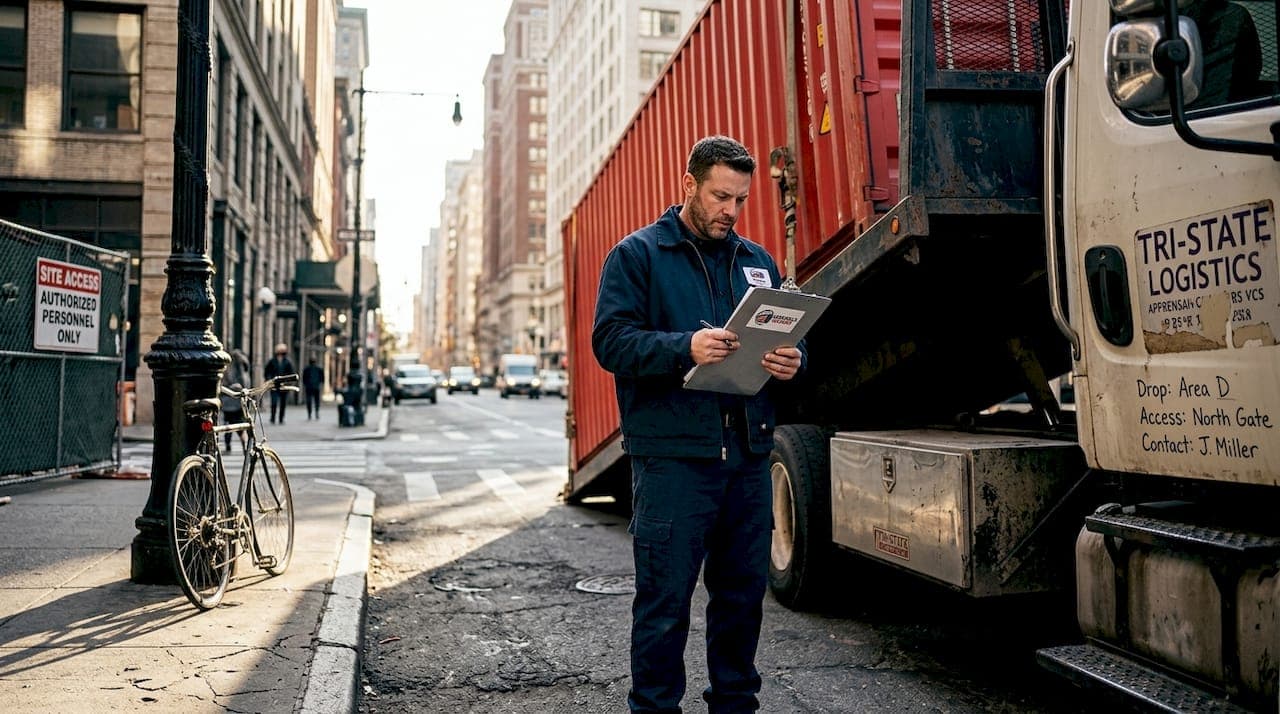
Ordering a shipping container sounds straightforward until delivery day gets closer and the questions start piling up. Will the truck fit through your gate? Does the ground need to be level? What happens if the driver can't back in? These are real concerns, and they're worth taking seriously because a poorly planned delivery can result in refused drops, property damage, or costly rescheduling fees. This guide walks you through every stage of the process, from choosing the right delivery method to handling problems on the spot, so you can receive your container with confidence and zero surprises.
Table of Contents
- Understand your container delivery options
- Prepare your site for hassle-free container delivery
- Step-by-step container delivery process
- Troubleshooting and what to do if something goes wrong
- The real secret to stress-free container delivery
- Get your container delivered with America Conex
- Frequently asked questions
Key Takeaways
| Point | Details |
|---|---|
| Delivery methods matter | Choosing the right delivery method ensures compatible equipment and avoids site mishaps. |
| Site prep is critical | A clear, stable site prevents costly delays and simplifies container placement. |
| Step-by-step process clarity | Knowing the actual delivery sequence helps you anticipate and manage the arrival. |
| Issue management | Having troubleshooting plans ready keeps your delivery on track even if problems occur. |
| Expert help is available | America Conex provides resources and support for smooth container purchase and delivery. |
Understand your container delivery options
Not all container deliveries work the same way. The method used depends on your site layout, the container size, and what equipment the delivery company has available. Industry terms and delivery methods can feel overwhelming for first-time buyers, so let's break down the three most common approaches clearly.
Tilt-bed (roll-off) delivery is the most widely used method for residential and small commercial sites. The truck backs up to the desired location, tilts the flatbed at an angle, and slides the container off using gravity and rollers. It's efficient and doesn't require any lifting equipment, but it does need about 100 feet of clear, straight space behind the truck for the container to roll off safely.
Flatbed with crane is used when the site has limited access or when the container needs to be lifted over an obstacle like a fence or building. A crane truck lifts the container and sets it precisely in place. This method gives you more placement flexibility but typically costs more and requires confirmed crane clearance overhead.
Chassis delivery involves transporting the container on a standard shipping chassis, which is the wheeled frame used at ports. This works well for temporary storage that needs to be moved frequently, or when the container will be loaded and reloaded for shipping purposes.
Here's a quick comparison to help you decide:
| Delivery method | Best for | Space needed | Relative cost |
|---|---|---|---|
| Tilt-bed (roll-off) | Residential, open lots | 100+ ft straight run | Low |
| Flatbed with crane | Tight spaces, obstacles | Varies by crane reach | Medium to high |
| Chassis delivery | Port-adjacent, frequent moves | Standard driveway width | Low to medium |
Before booking, also think about cost-saving transport options that can reduce your total spend without sacrificing reliability. For buyers new to containers, reviewing standard containers explained helps you understand size and weight factors that directly affect which delivery method works for your situation.
A short video demonstration of a physical container delivery can make these mechanics click instantly. Watching the tilt-bed process in real time is far more intuitive than reading a description, especially if you've never seen a container offloaded before.
Key site requirements to confirm before booking:
- Overhead clearance: At least 14 feet for tilt-bed trucks; more for crane operations
- Width clearance: Minimum 12 feet on either side of the truck path
- Turning radius: Large delivery trucks need 40 to 50 feet to maneuver
- Ground stability: Soft or muddy ground can cause a truck to sink or get stuck
Prepare your site for hassle-free container delivery
Once you've chosen your delivery method, it's crucial to prepare your site properly. This step is where most delivery problems actually originate. Drivers can only work with what they find when they arrive, and if the site isn't ready, the delivery may be refused or rescheduled at your expense.
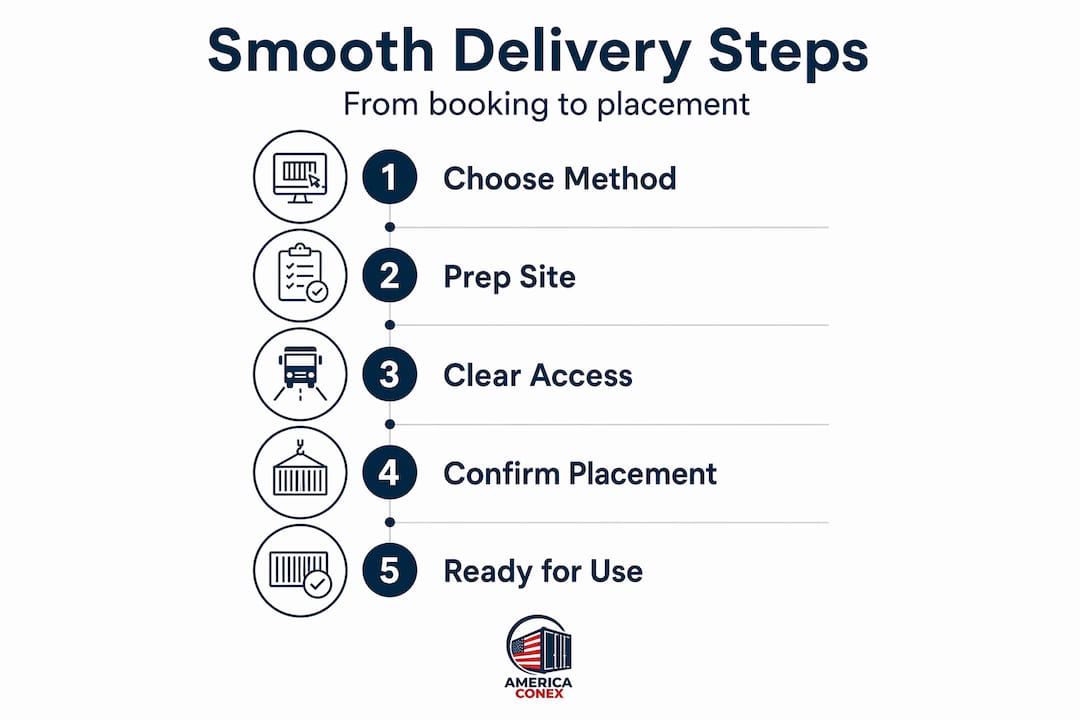
Preparing your site in advance reduces delays and keeps the whole process efficient. Here's what you need to address before the truck shows up.
Surface conditions matter more than most people expect. Gravel, concrete, and asphalt are all suitable surfaces for container placement. Bare dirt or grass, especially after rain, can shift under the weight of a loaded container (which can exceed 4,700 lbs for a 20ft unit empty). If you're placing a container on soft ground, lay down gravel or use railroad ties or concrete blocks as a foundation to distribute the weight.
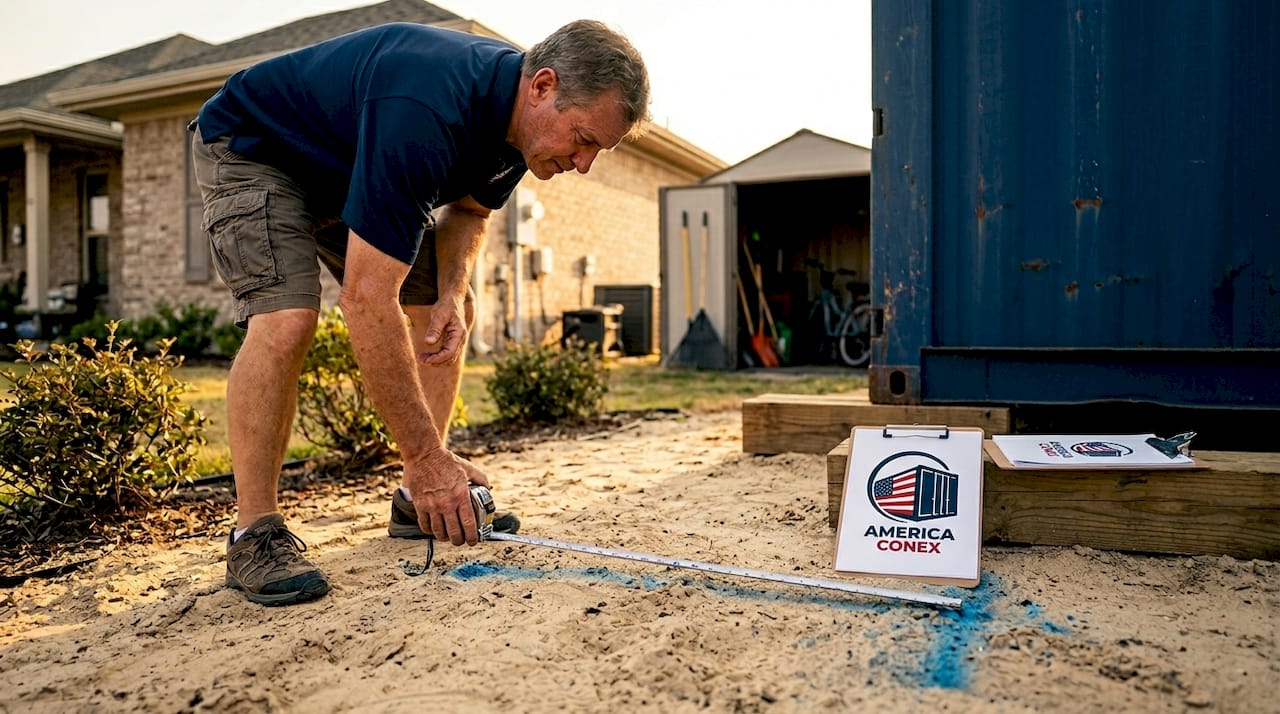
Clearance is non-negotiable. Measure your access route carefully. A standard delivery truck is about 8.5 feet wide, but with mirrors it can span over 10 feet. Overhead obstructions like tree branches, power lines, and carport beams are easy to overlook and can stop a delivery cold.
Here's a reference table for common clearance requirements:
| Clearance type | Minimum requirement |
|---|---|
| Overhead height | 14 feet (tilt-bed), 18+ feet (crane) |
| Path width | 12 feet minimum |
| Turning space | 40 to 50 feet radius |
| Container placement area | Container length plus 10 feet |
Follow this numbered checklist before your delivery date:
- Measure all access points from the road to the final placement spot
- Remove any low-hanging branches, temporary fencing, or parked vehicles
- Confirm overhead clearance along the entire truck route
- Prepare the surface with gravel or solid material if the ground is soft
- Mark the exact placement spot with stakes, spray paint, or cones
- Ensure no bystanders, children, or pets are in the delivery zone
- Have someone available on-site to guide the driver if needed
Pro Tip: Take photos of your site from the road to the placement spot and send them to your delivery coordinator ahead of time. This gives the driver a preview and helps avoid surprises on delivery day.
For homeowners, residential container storage guidelines offer additional advice on placement that respects local zoning rules and property lines. If you're managing multiple containers at a commercial location, container depot storage tips cover how professional sites handle high-volume logistics.
Step-by-step container delivery process
With your site prepped, here's exactly what to expect on delivery day. Knowing the sequence in advance removes the guesswork and lets you stay in control from the moment the truck pulls up.
-
Confirm arrival time and placement details. When the driver calls or arrives, walk them to the placement spot before they begin backing in. Point out any obstacles and confirm the exact orientation you want the container doors to face.
-
The truck backs into position. For tilt-bed deliveries, the driver needs a long, straight approach. Guide them in if needed, and keep all bystanders well clear of the truck's path. Truck backing and container placement can look intimidating, but experienced drivers handle it routinely.
-
The bed tilts and the container slides off. The driver engages the tilt mechanism, and the container slides down the bed onto your prepared surface. This takes only a few minutes. The container will settle into place with a firm thud.
-
Inspect the container immediately. Before the driver leaves, walk around the entire unit and check for dents, rust patches, door seal damage, or any structural issues. Open the doors and inspect the interior for moisture, odors, or debris.
-
Sign off only when satisfied. Once you're confident the container is in good condition and correctly placed, sign the delivery receipt. If there are visible issues, note them on the paperwork before signing.
Important: Never sign a clean delivery receipt if you notice damage. Write "damage noted" on the paperwork and photograph everything. This protects your ability to file a claim or request a resolution from your provider.
Standard placement procedures outline what a proper delivery looks like, which helps you recognize when something is off. For businesses managing ongoing storage operations, understanding storage workflow efficiency can help you integrate container placement into a broader logistics plan.
Pro Tip: Position your container doors facing inward toward your property rather than toward the street. This adds a layer of security and makes loading and unloading more private.
Troubleshooting and what to do if something goes wrong
Even with careful planning, issues can arise. Here's how to handle them smoothly without losing time or money.
Missed or delayed deliveries happen for several reasons: traffic, mechanical issues, or scheduling errors. If your delivery window passes without contact, call your provider immediately. Most companies have dispatch teams that can give you a real-time update. Always get a confirmed rescheduled time in writing.
Site access problems discovered on arrival are more common than you'd think. A truck arrives and finds a gate that's too narrow, a low branch that wasn't measured, or a surface that's too soft. In these cases, the driver may not be able to complete the delivery. To avoid this, do a dry run with a large vehicle before your delivery date to test the route.
Incorrect container placement can happen when communication breaks down between you and the driver. If the container lands in the wrong spot, moving it requires additional equipment and fees. This is why walking the driver through the placement before they begin is so important.
Container damage on arrival should be handled immediately. Here's what to do:
- Photograph every damaged area from multiple angles
- Note the damage on the delivery paperwork before signing
- Contact your provider within 24 hours with your documentation
- Request a written response outlining next steps for repair or replacement
Common delivery logistics issues and how to navigate them are worth reviewing before your delivery so you're not caught off guard. For businesses with ongoing container needs, equipment storage solutions can help you build a more resilient storage setup that accounts for delivery variables.
Pro Tip: Keep a printed copy of your delivery order, your provider's contact number, and your site preparation photos with you on delivery day. If anything goes sideways, you'll have everything you need to resolve it fast.
The real secret to stress-free container delivery
Here's something most guides won't tell you directly: the majority of container delivery problems have nothing to do with the provider. They stem from the customer's side, specifically from poor site preparation or vague communication about placement expectations.
We've seen deliveries get refused because a driveway was two inches too narrow. We've seen containers placed at the wrong angle because the customer wasn't on-site to guide the driver. These aren't driver errors. They're preparation gaps, and they're almost entirely preventable.
The conventional wisdom is that you just book the delivery and wait. But the customers who have the smoothest experiences are the ones who treat delivery day like a small project. They measure twice, communicate clearly, and show up ready to direct the process.
One underrated tool? Short video demonstrations of container delivery mechanics. Watching a tilt-bed drop in real time takes about 60 seconds and immediately demystifies what can feel like a complicated process. Anxiety about delivery day often comes from not knowing what to expect, and a short video fixes that faster than any written guide.
You have more control over this process than you think. The driver handles the truck. You handle the site. When both sides are prepared, delivery is fast, clean, and stress-free. Reviewing workflow tips for container operations can also help you think beyond just the delivery and plan for how the container fits into your day-to-day use.
The customers who struggle are the ones who assume everything will work itself out. The ones who succeed are the ones who read guides like this one and actually follow through on the prep work.
Get your container delivered with America Conex
Ready for a seamless container delivery? Here's how America Conex can help.
At America Conex, we make shipping container delivery straightforward from the first call to the final placement. With access to 30+ depots strategically located across the United States, we offer fast, reliable delivery to both residential and commercial sites no matter where you're located.
We carry a full range of containers including used wind and water tight (WWT) units, one-trip containers in like-new condition, and cargo worthy options in both 20ft and 40ft sizes, standard and high cube. Whether you need a single unit for backyard storage or multiple containers for a job site, our team will walk you through site requirements, delivery logistics, and the best container for your budget. Transparent pricing, expert support, and a smooth buying experience from start to finish. That's what we deliver.
Frequently asked questions
How long does container delivery take in the U.S.?
Most deliveries are scheduled within 3 to 7 business days, though timelines can vary depending on your region and how accessible your site is for large delivery trucks.
What equipment is needed to unload a shipping container?
The equipment depends on your site. Standard unloading procedures typically involve a tilt-bed truck for open sites or a crane for locations with limited access or overhead obstacles.
Can I choose where the container is placed on my property?
Yes, and you should communicate your exact placement preference before the driver begins. Clear placement instructions and confirmed site access are the two biggest factors in getting the container exactly where you want it.
What should I do if the container is damaged on arrival?
Document the damage with photos, note it on the delivery paperwork before signing, and contact your provider immediately. Logistics solutions for delivery issues are easier to access when you have documentation ready from the start.